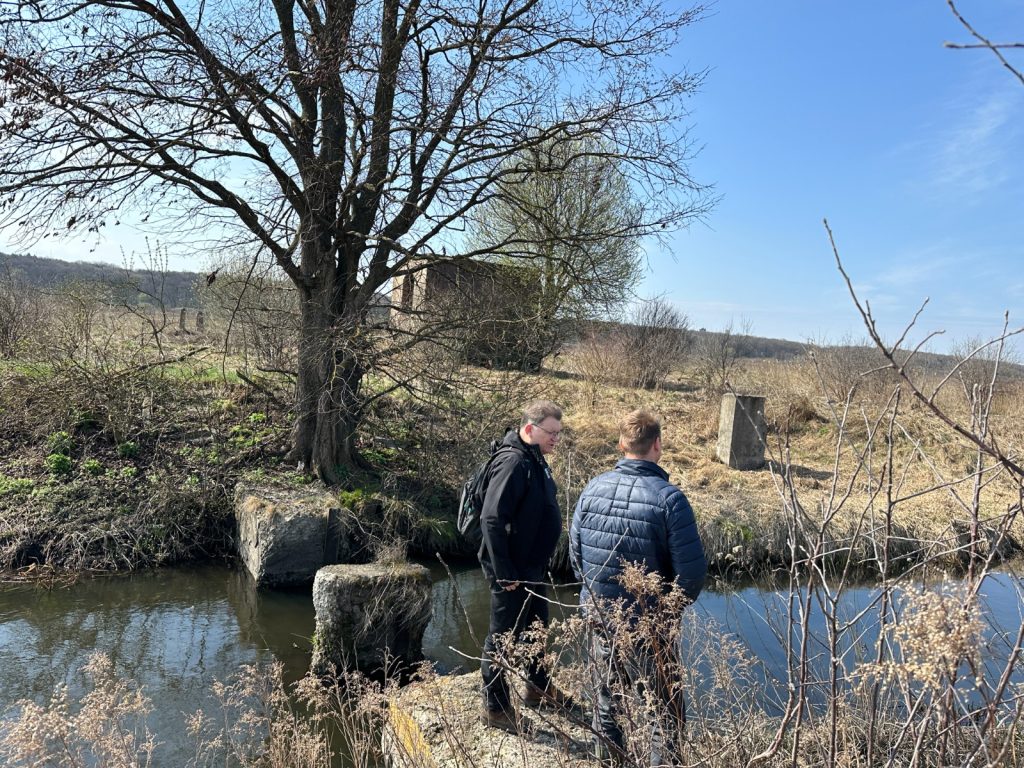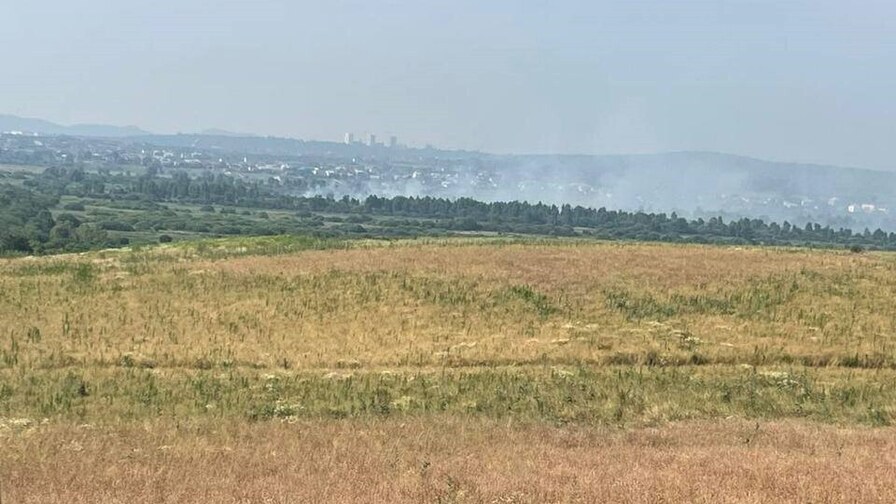
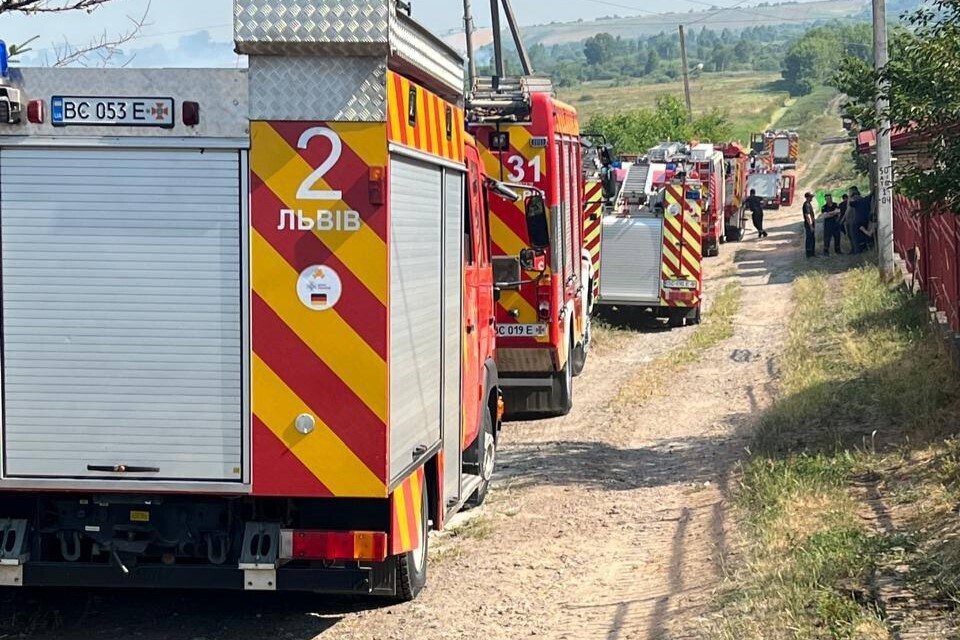
In recent days, the attention of residents of the Lviv Agglomeration has been drawn to a large-scale peatland fire near Dubliany. Dozens of firefighters, specialised equipment, and municipal services were involved in extinguishing the fire. However, this fire is only a consequence of a much deeper problem. Unless its root cause is eliminated, similar incidents will occur more and more frequently.
Why do peatlands start burning?
Peatlands are unique natural ecosystems that have formed over thousands of years. They store enormous reserves of freshwater, act as natural carbon reservoirs, and play an important role in regulating the local climate. This is why they are considered one of the most effective natural allies in combating climate change.
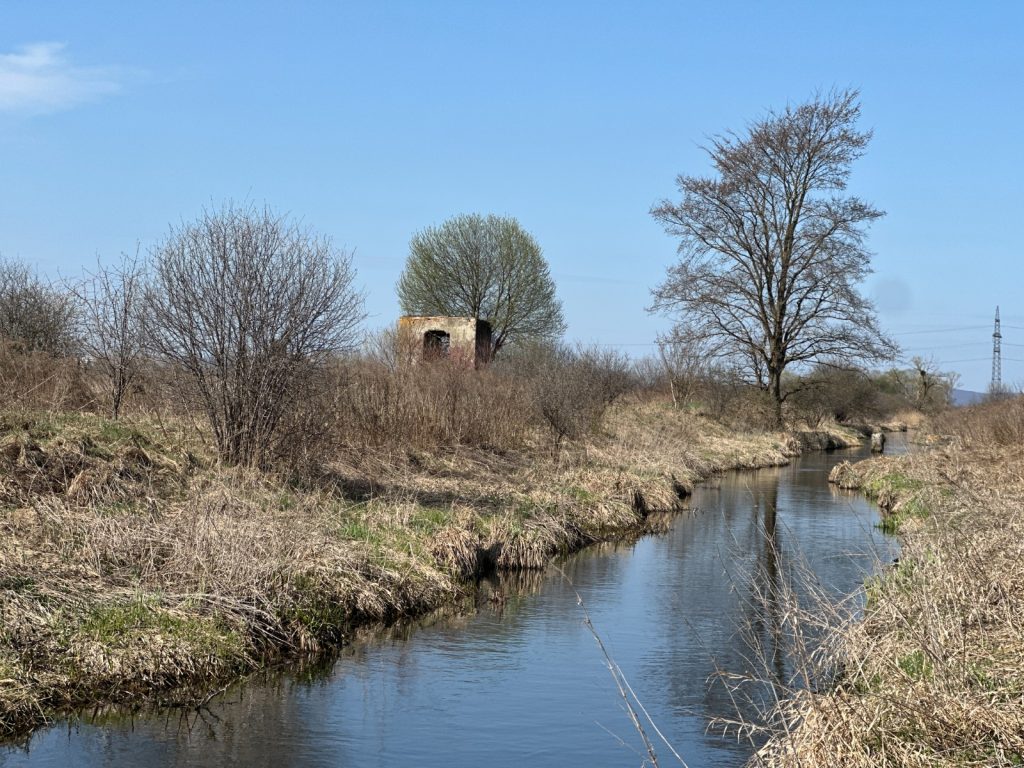
In their natural state, peatlands hardly ever burn. A consistently high groundwater level keeps the peat moist, preventing it from igniting even during periods of extreme heat.
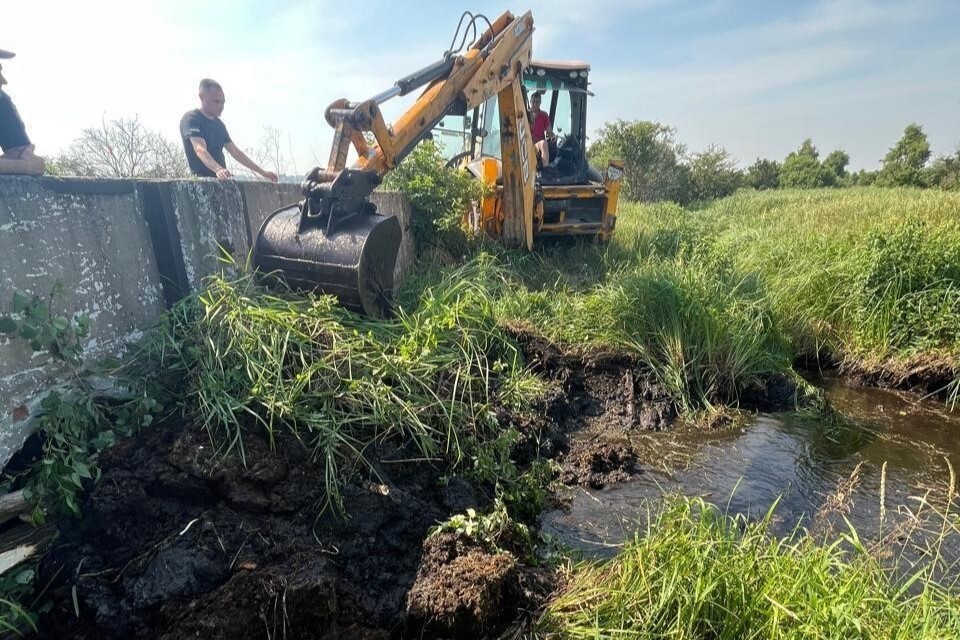
Most peatlands that are currently affected by fires were intentionally drained several decades ago. During the second half of the twentieth century, state policy was focused on the intensive development of wetlands: they were drained for agriculture, peat extraction, and infrastructure development. To achieve this, an extensive network of drainage canals was constructed to divert water and fundamentally alter the natural hydrological regime. What was once considered progress has now become one of the main causes of peatland degradation. Due to the loss of moisture and the impacts of climate change, peat dries out, becomes oxygenated, and turns into an extremely fire-prone material.
The distinctive feature of peat fires is that not only the surface burns. Peat can smoulder underground at considerable depths, spreading over dozens of metres and sometimes even further. This is why extinguishing such fires is extremely difficult and requires significant human and material resources.
This is more than just a fire problem
The drainage of peatlands has much broader consequences than simply increasing the risk of fires.
These areas lose their ability to retain water during periods of heavy rainfall, increasing the risk of flooding in nearby settlements. At the same time, during periods of drought they are no longer able to maintain the necessary water reserves within the landscape.
The climate aspect is equally important. In dried peat, the active decomposition of organic matter begins, resulting in greenhouse gas emissions. During fires, these processes accelerate many times over, releasing significant amounts of carbon dioxide, carbon monoxide, and fine particulate matter into the atmosphere, substantially worsening air quality.
At the same time, the natural habitats of many plant and animal species are degraded, biodiversity declines, and the overall ecological resilience of the area is reduced.
From fighting the consequences to addressing the causes
Today, most European countries are paying increasing attention not only to extinguishing peat fires but, above all, to restoring the natural hydrological regime of peatlands.
The most effective solution is considered to be rewetting—a set of measures aimed at restoring high groundwater levels, reducing the risk of fires, restoring the natural ability of peatlands to retain water, and reducing greenhouse gas emissions.
This is exactly the approach currently being implemented by the Lviv Agglomeration Association within the international SpongeWorks project. One of the project’s key outcomes will be the identification of a pilot site within the Northern Peatlands of the Lviv Agglomeration, where a comprehensive package of nature-based measures to restore the hydrological regime will be implemented. This will demonstrate how nature-based solutions can simultaneously reduce fire risk, increase the water retention capacity of the area, and contribute to communities’ adaptation to climate change.
The Danube-Carpathian Programme is the Lviv Agglomeration Association’s partner in implementing this project. The Programme’s experts emphasise that peatland restoration is currently one of the most cost-effective tools for climate change adaptation. Returning water to degraded ecosystems not only helps prevent large-scale fires but also restores natural processes that ensure water retention, biodiversity conservation, and carbon sequestration. This is why modern European practice is increasingly shifting from addressing the consequences to eliminating the causes of peatland degradation.
What do residents think?
At the beginning of 2026, the Lviv Agglomeration Association conducted a survey among residents as part of the SpongeWorks project to better understand their vision for the future of the Northern Peatlands.
The survey results show that:
- 81% of respondents support peatland restoration through nature-based solutions;
- 76% believe that restoring the natural hydrological regime should become one of the priorities for the area’s development.
These findings are being taken into account during the preparation of the Lviv Agglomeration Sponge Strategy and the selection of the pilot area for implementing rewetting measures.
Investing in nature is cheaper than dealing with the consequences
Peatland fires are not accidental and are not merely the result of hot weather. Above all, they are the outcome of decades of degradation of natural ecosystems, changes to the hydrological regime, and insufficient attention to their restoration.
Today, firefighters are heroically extinguishing these fires. However, the long-term solution to this problem lies not in increasing the number of fire engines but in restoring the natural processes that protected peatlands from fire for thousands of years.
This is why peatland restoration should become one of the key priorities for climate adaptation in the Lviv Agglomeration. Every hectare of restored peatland means not only a lower risk of fires but also cleaner air, lower temperatures during heatwaves, greater water retention, preserved biodiversity, and a valuable contribution to building resilient communities capable of responding effectively to the challenges of climate change.