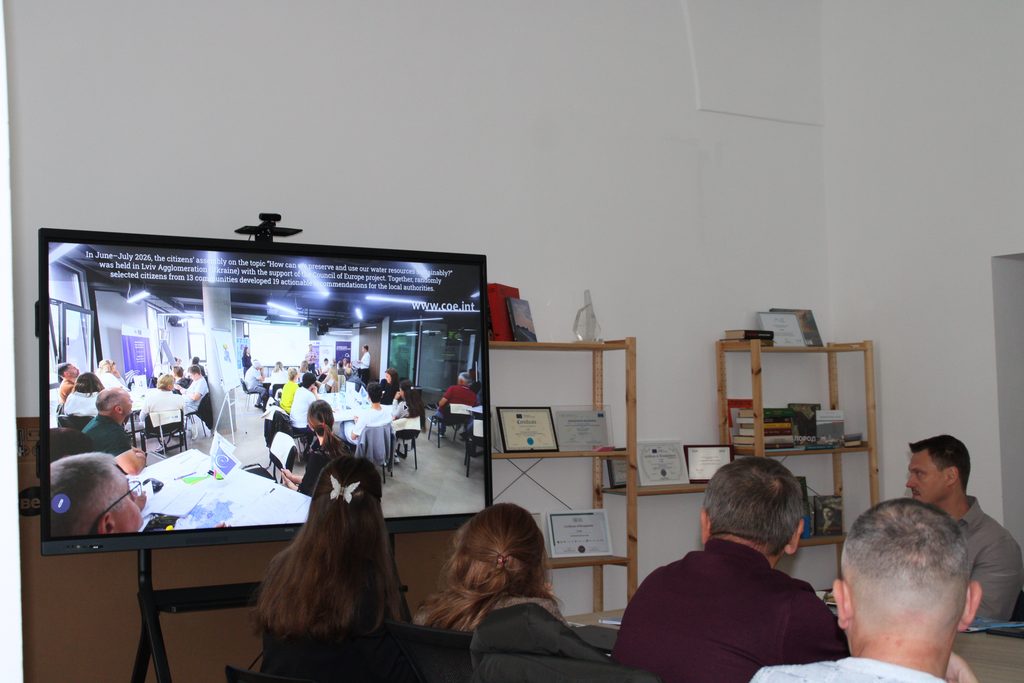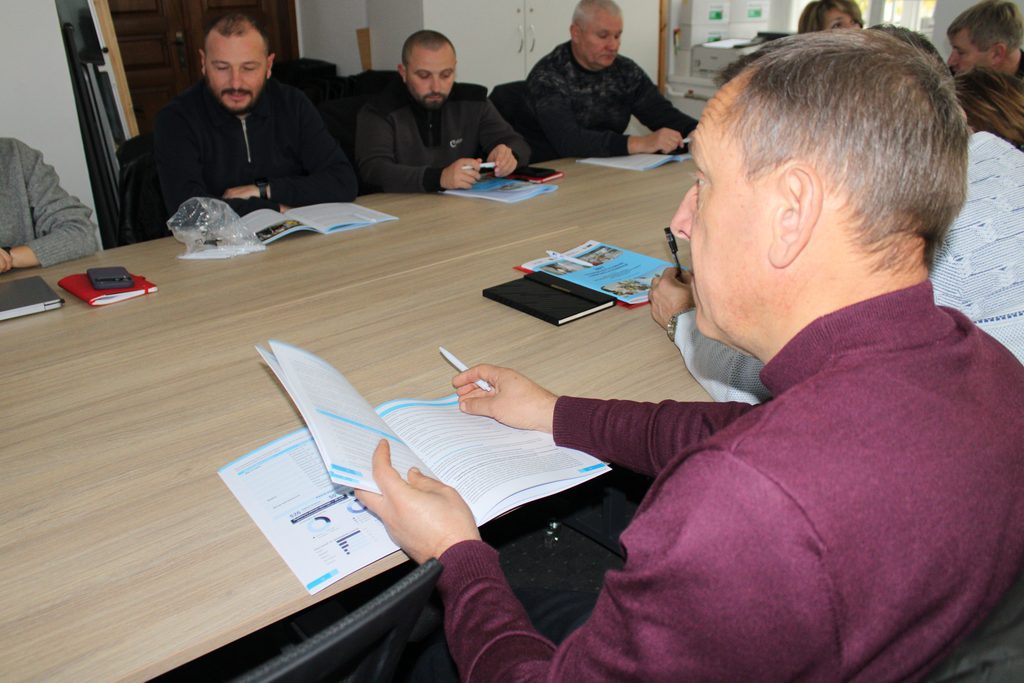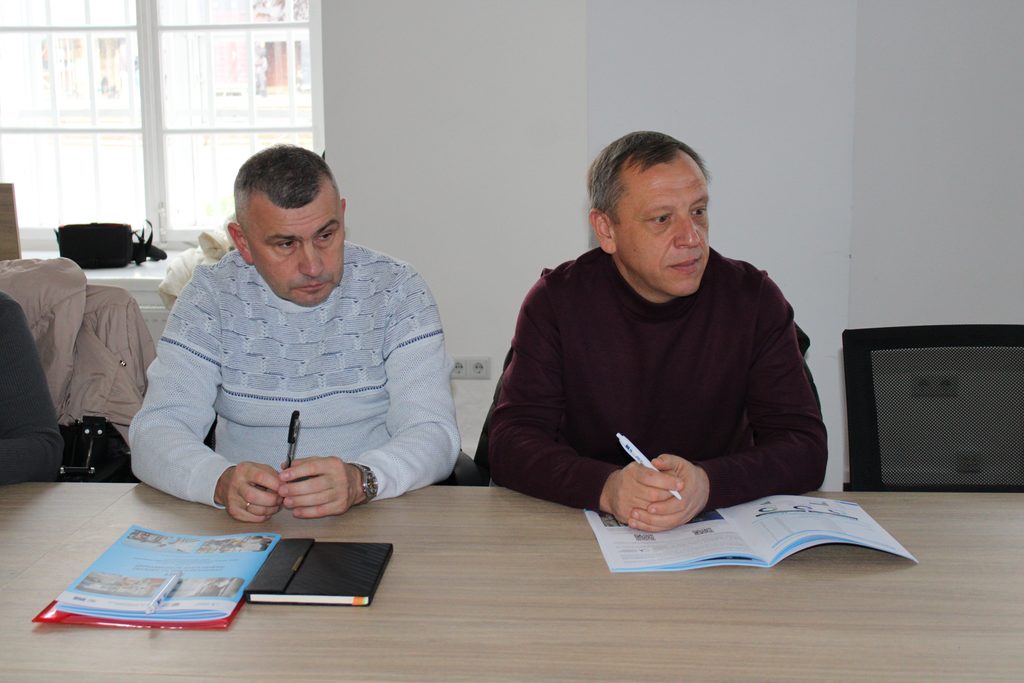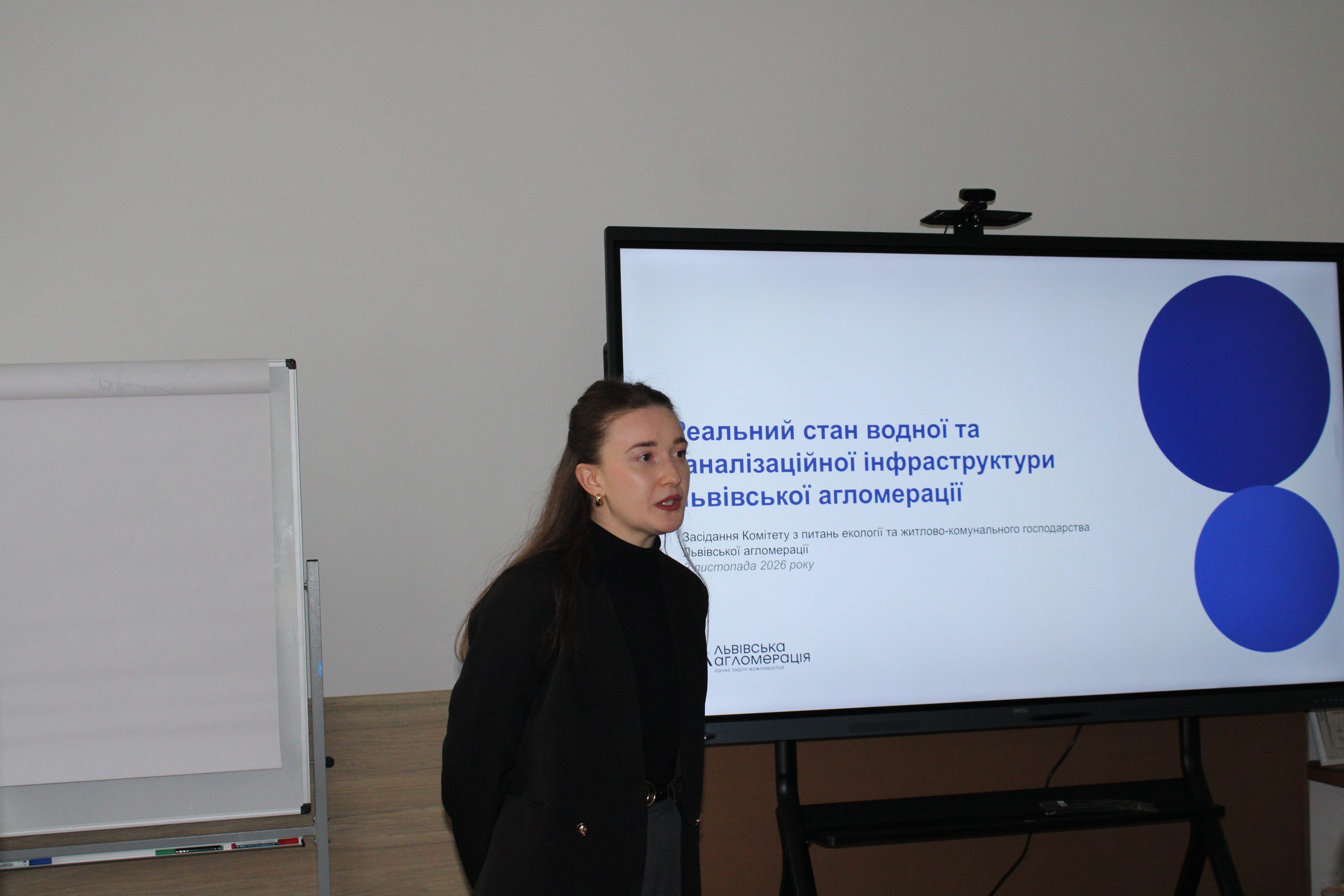
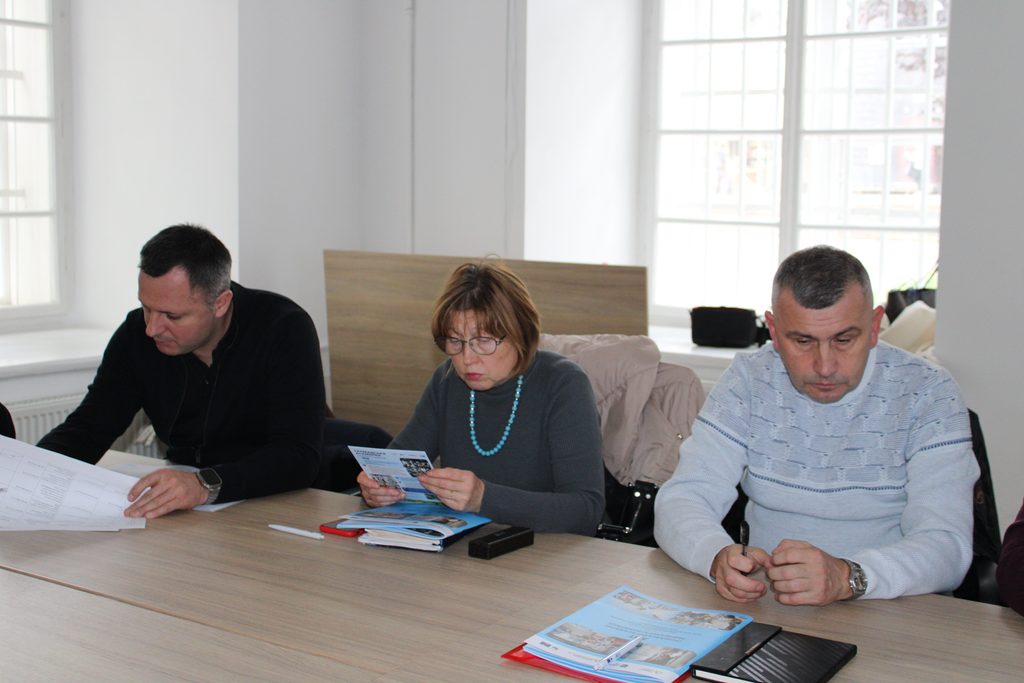
On November 3, the Committee on Ecology and Housing and Communal Services of the Lviv Agglomeration held its regular meeting. This time, community representatives focused on the state of water resources, shared infrastructure challenges, and prospects for implementing intermunicipal projects.
The Lviv Agglomeration’s committees represent a unique instrument of intermunicipal cooperation in Ukraine. Bringing together sector specialists and representatives from member communities around specific industry issues, they provide a permanent platform for professional dialogue, knowledge exchange, and joint problem-solving.
At the committee level, communities can go beyond discussing individual challenges to find common ground, align priorities, develop joint projects, and formulate proposals to attract investment. This format enables a gradual transition from leadership-level cooperation to systemic collaboration among local specialists and municipal utilities.
The Water Profile: A Shared Picture of Challenges
The centerpiece of the meeting was the presentation of the Water Profile of the Lviv Agglomeration—a comprehensive assessment of water supply and wastewater infrastructure across member communities. The collected data revealed significant disparities in access to centralized water and sewage services.
In most communities, population coverage for centralized water supply remains insufficient. The situation with sewage systems is particularly acute: in more than half of the communities for which data is available, fewer than one-third of residents have access to centralized wastewater collection.
In several communities, centralized sewage infrastructure is entirely absent, while existing wastewater treatment plants are either non-operational or in need of modernization. An additional challenge is the lack of properly organized systems for emptying and transporting domestic wastewater from cesspools and septic tanks in most communities.
Other shared problems include aging water supply networks, frequent pipe failures, underdeveloped infrastructure, and risks of surface and groundwater contamination. The Water Profile allows stakeholders to view these challenges across the entire agglomeration rather than in isolation, identify the most critical areas, and build a shared understanding of investment needs.
From Local Challenges to Joint Projects
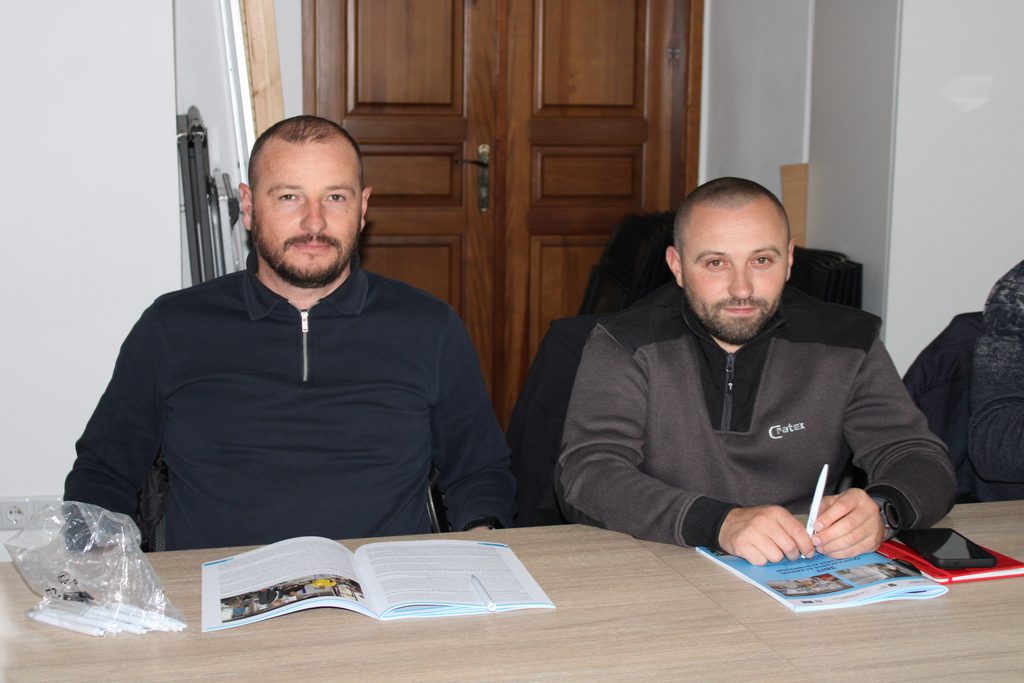
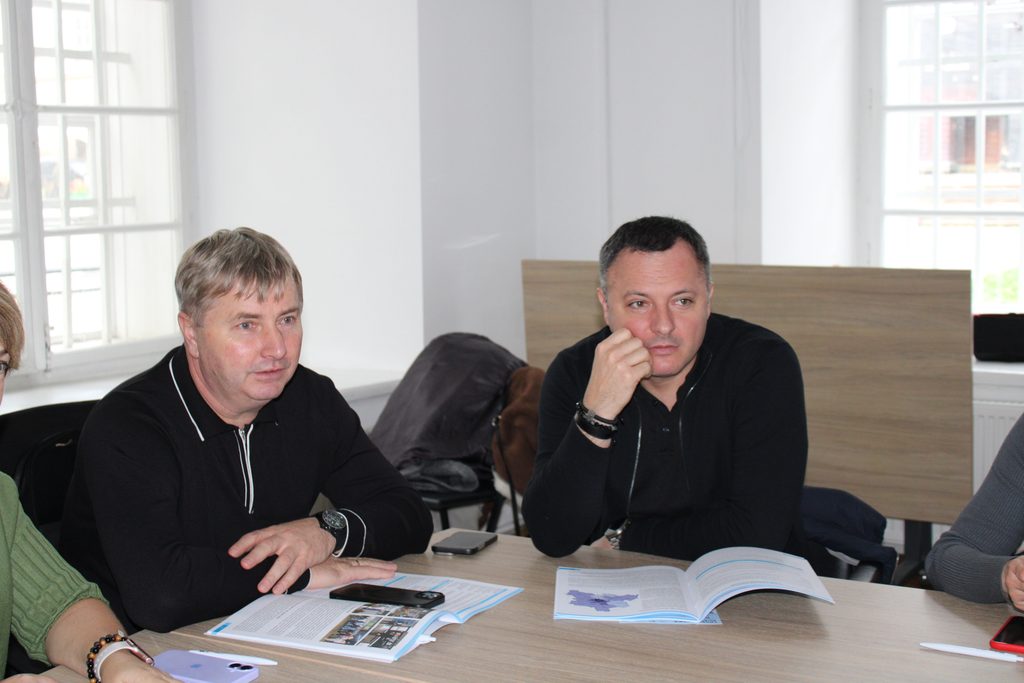
During the meeting, participants explored opportunities for intermunicipal cooperation in water supply and sanitation. Priority areas include developing and modernizing water and sewage networks, reconstructing wastewater treatment facilities, establishing proper domestic wastewater management, restoring water bodies and wetlands, and creating a unified environmental monitoring system.
Particular attention was given to building a joint portfolio of investment projects. Since many infrastructure and environmental challenges transcend individual municipal boundaries, solving them requires coordination, joint planning, and external financing. This approach opens the door to preparing larger-scale initiatives capable of attracting international financial institutions, donors, and European partners.
A Shared Water Vision for the Lviv Agglomeration
Another key item on the agenda was shaping the Water Vision of the Lviv Agglomeration—a long-term development strategy for the water sector grounded in shared community interests. Its core pillars will include ensuring resident access to safe drinking water, developing modern sewage infrastructure, improving network reliability, protecting water resources, and implementing environmentally sustainable solutions.
This work is guided by a straightforward principle: water knows no administrative borders. Rivers, groundwater, watershed basins, and engineering infrastructure connect neighboring communities. Consequently, decisions made by one municipality can directly affect the environmental conditions and quality of life in others—making joint water resource management one of the most promising avenues for intermunicipal cooperation.
Shared Data as the Foundation for Effective Decisions
Participants also discussed establishing a regular information-sharing mechanism among communities and water utilities on the platform of the Lviv Agglomeration. The proposed system would allow for annual updates on network conditions, service coverage, failure rates, treatment plant performance, and other key indicators. Having up-to-date, comparable data will help communities set priorities, evaluate the impact of implemented measures, and prepare high-quality investment proposals.
Cooperation Turning into Practical Solutions
The work of specialized committees is a vital component of the Lviv Agglomeration’s operations. It is within these bodies that intermunicipal cooperation takes practical shape—moving from data sharing and joint problem analysis to concrete project preparation. The water committee’s meeting demonstrated how crucial it is to address the infrastructure challenges of neighboring communities in an interconnected way.
The next step is to translate the compiled data and proposals into aligned priorities, joint projects, and investment solutions that will improve the quality of life for residents across the entire Lviv Agglomeration.