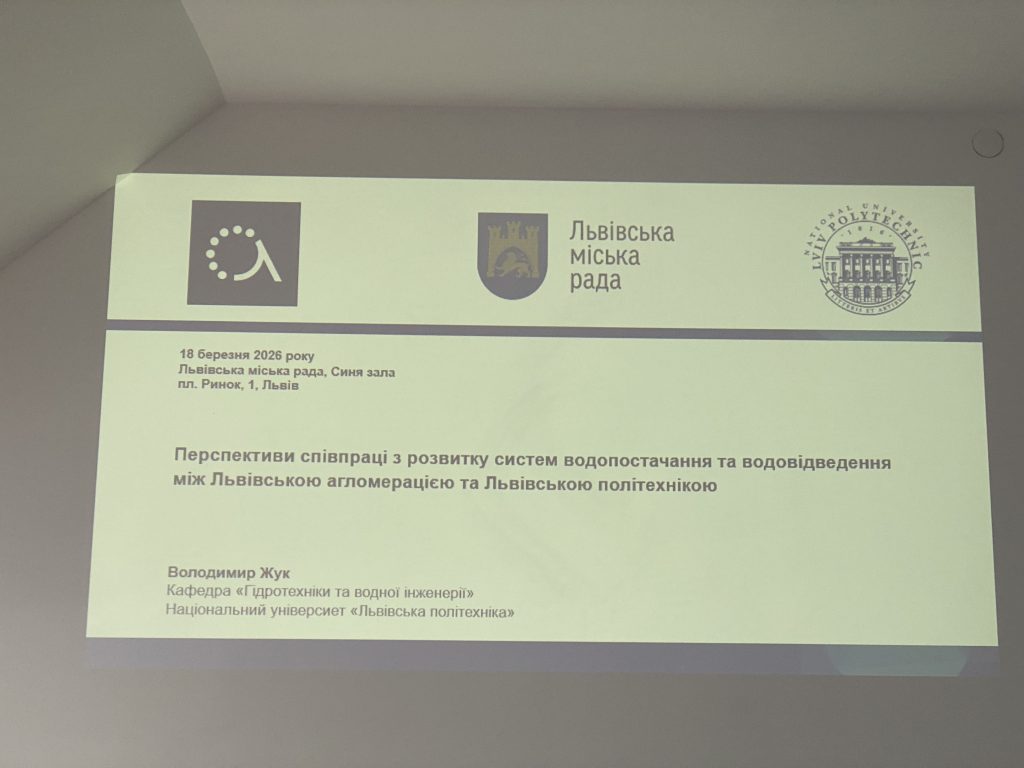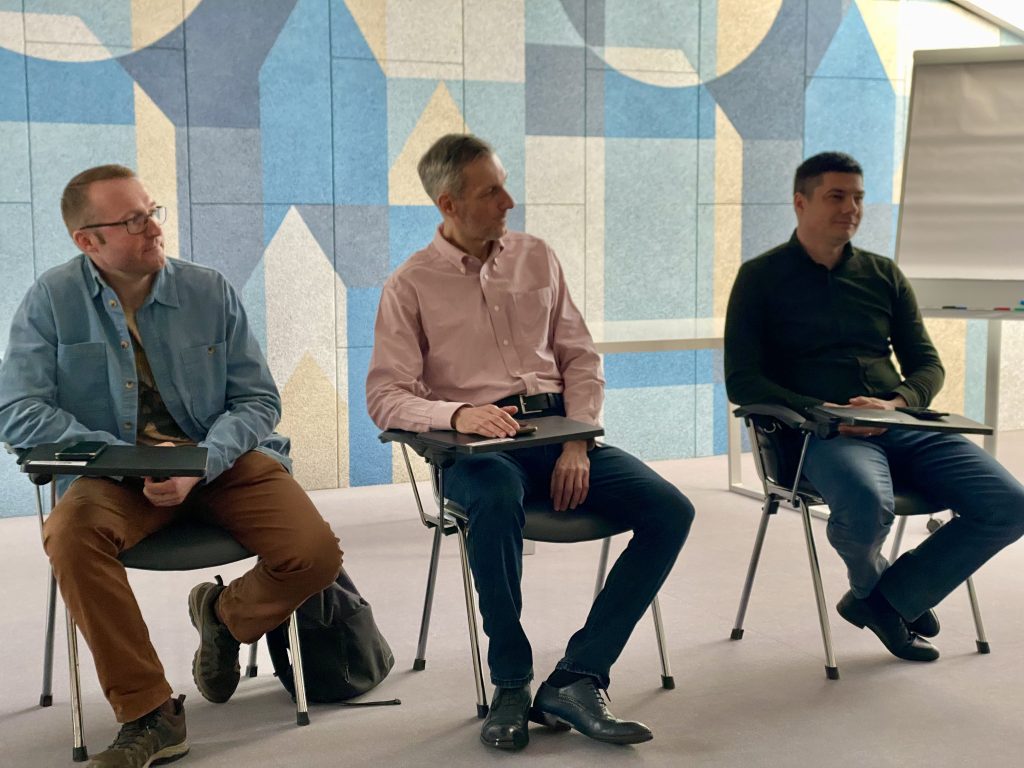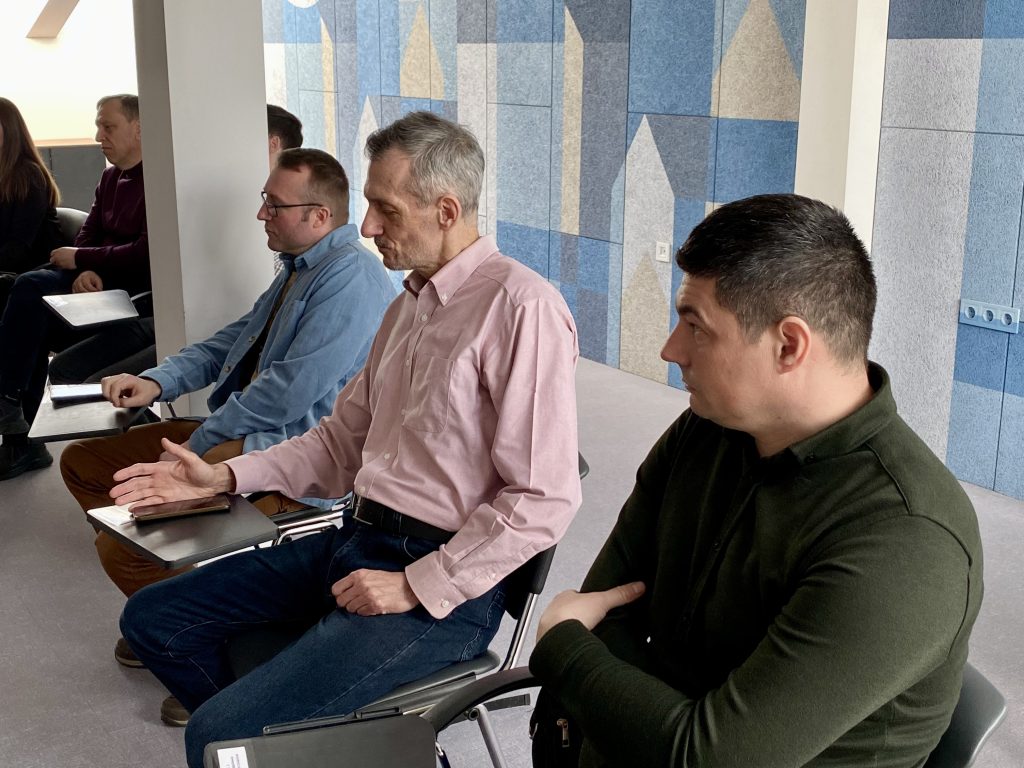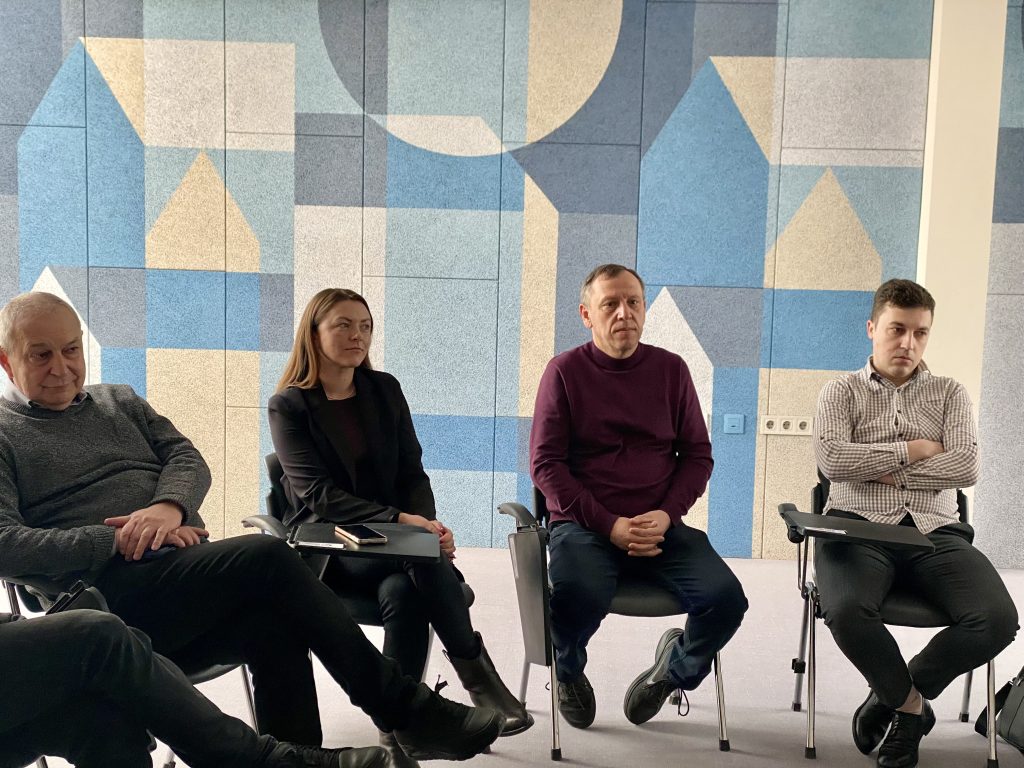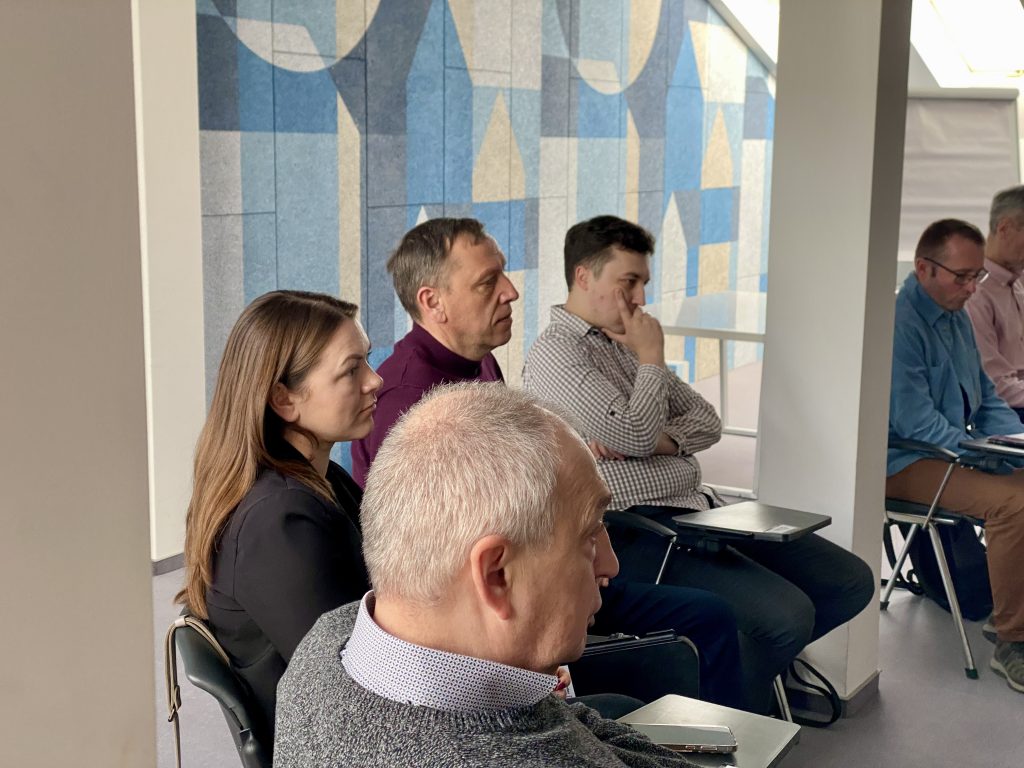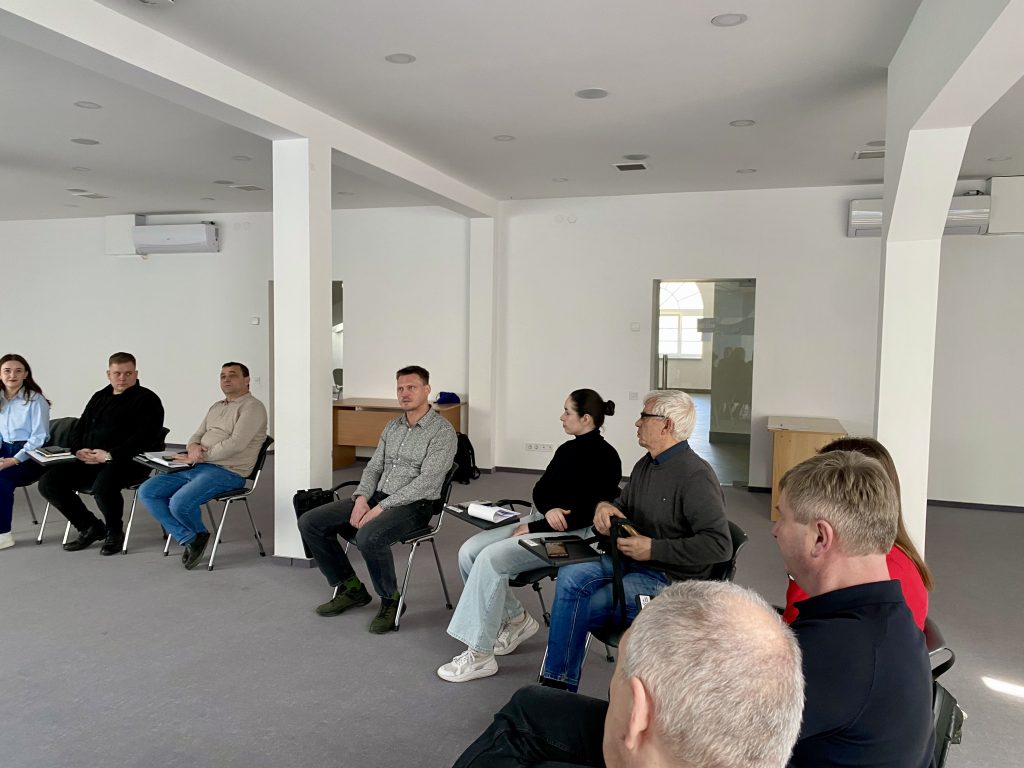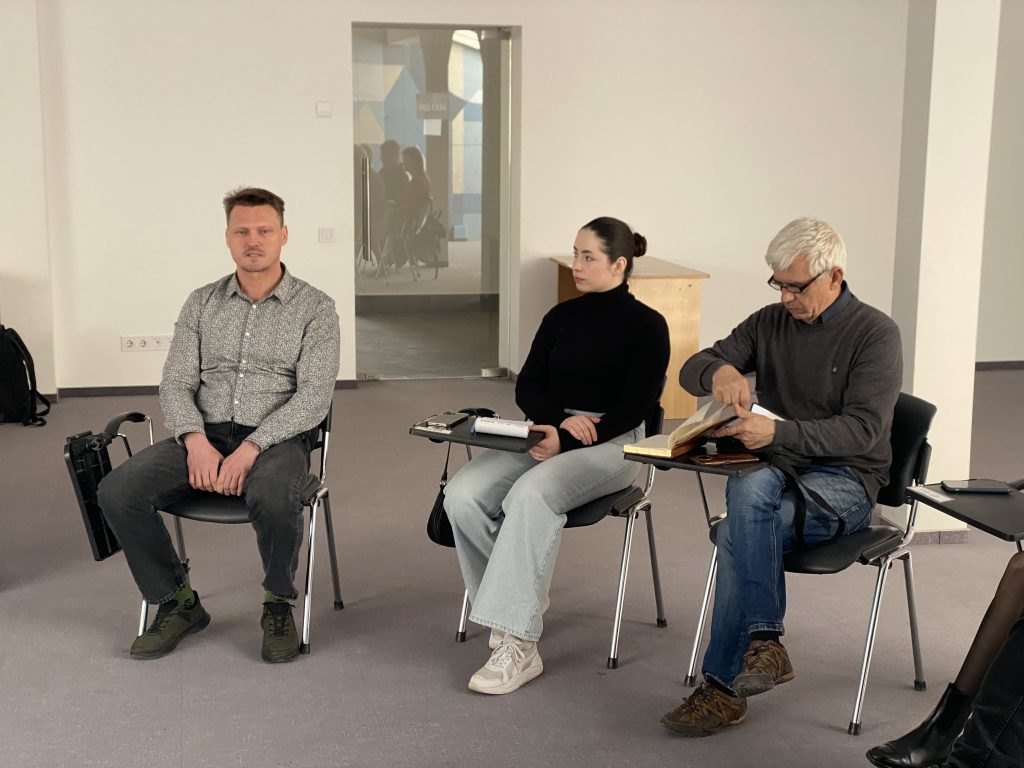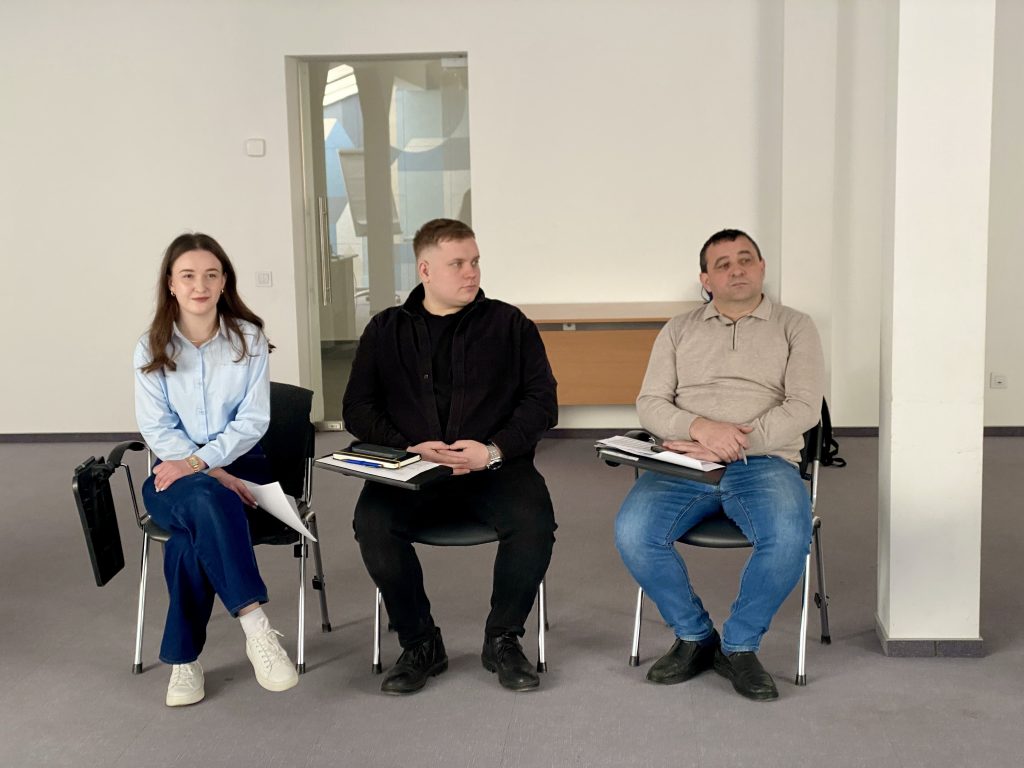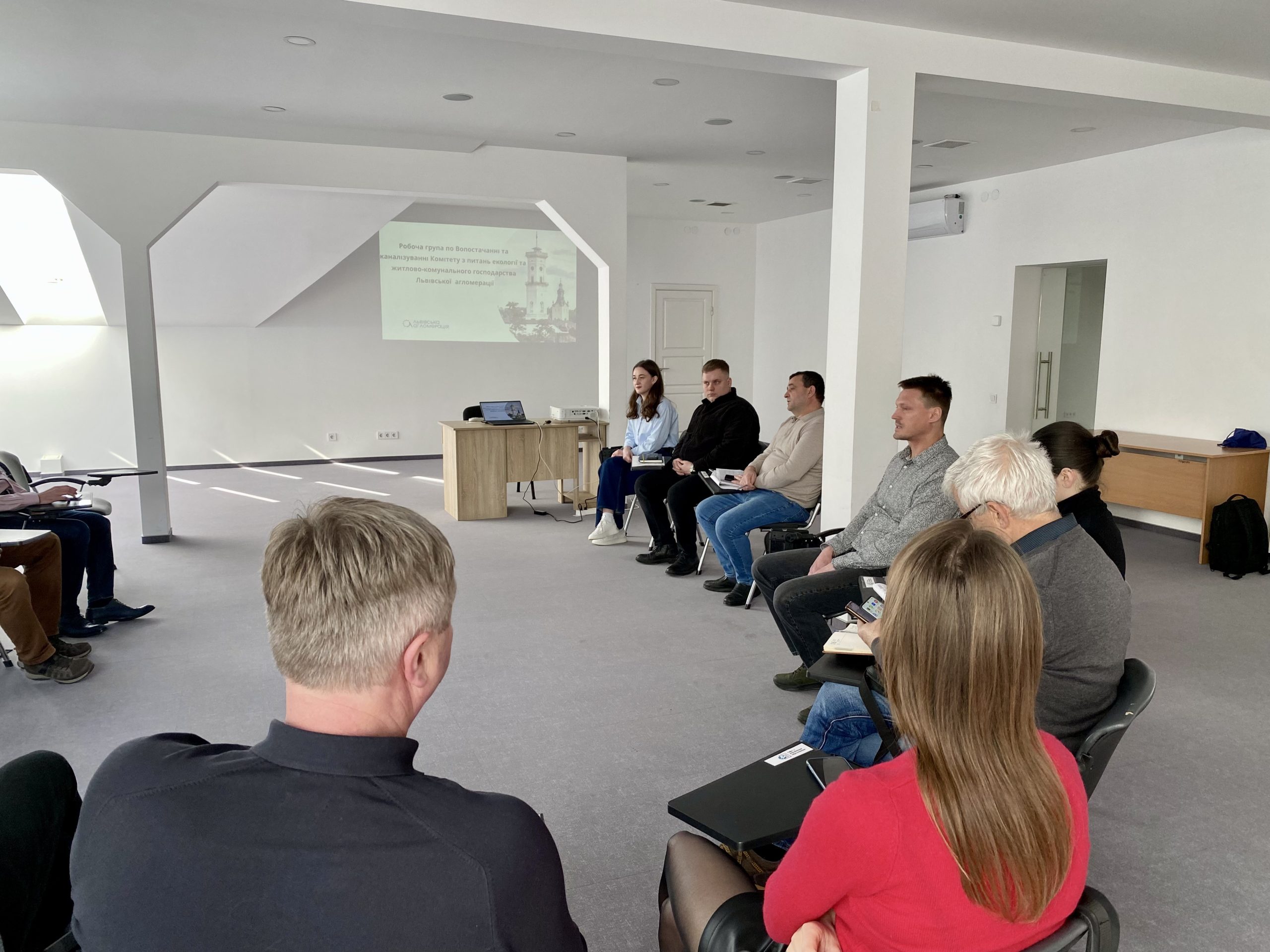
On March 18, 2026, the Lviv City Council hosted the inaugural meeting of the Working Group on Ecology and Housing and Communal Services of the “Lviv Metropolitan Area” Association. The session focused on water supply and sanitation, serving as a launchpad for systemic and coordinated cooperation between communities in a sector that directly impacts the quality of life for every resident.
The discussion brought together representatives from the Association’s member communities, along with specialists from the Lvivvodokanal municipal enterprise and Lviv Polytechnic National University. The primary objective was to establish a shared vision for the development of water infrastructure within the metropolitan area and to devise practical solutions for providing residents with high-quality drinking water.
“Our task is not merely to react to problems, but to build an effective water resource management system. We are talking about a fundamental need — access to quality water in every household. At the same time, this is not just about service quality; it is about shared responsibility involving authorities, providers, and citizens alike. Conscious water consumption and a responsible attitude toward infrastructure are essential for the sustainability of this system,” stated Roman Kizyma, Executive Director of the “Lviv Metropolitan Area” Association.
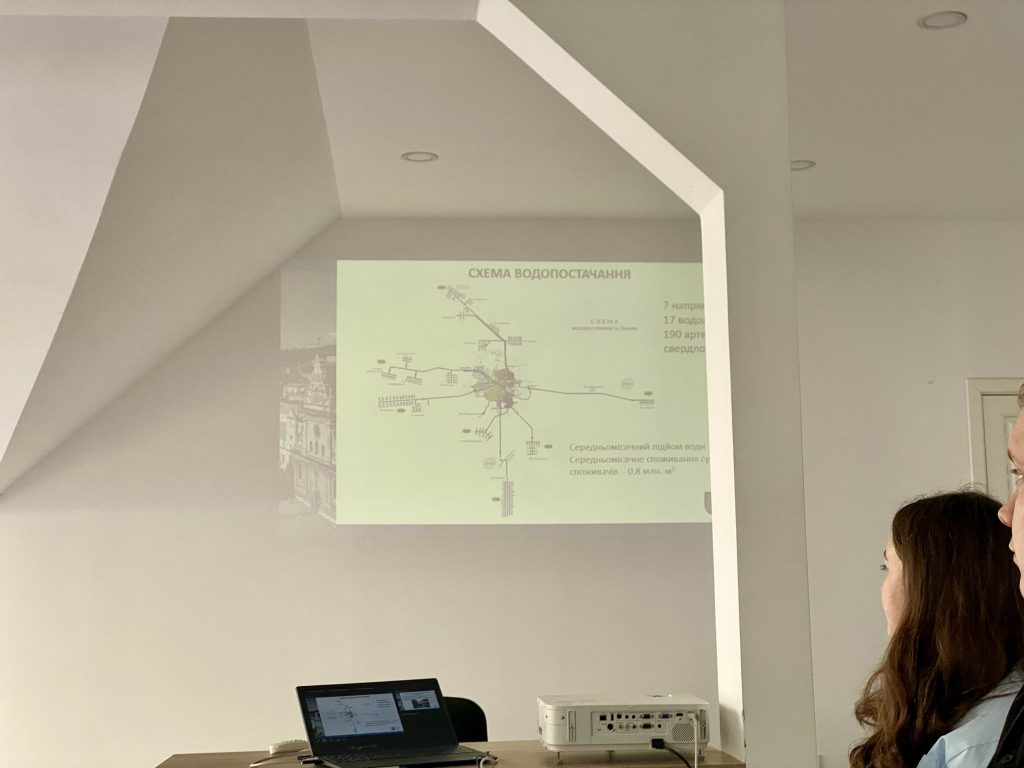
During the meeting, community representatives provided detailed overviews of the local situation, outlining existing infrastructure, including the number and types of water intakes, the condition of wastewater treatment plants, network length, and household connection rates. A significant portion of the dialogue centered on critical challenges: aging networks, water loss, insufficient capacity or lack of treatment facilities, water quality issues, and limited access to centralized sanitation in rural areas.
Participants also explored development prospects, expressing strong interest in:
- Modernizing and constructing new wastewater treatment plants.
- Reconstructing water supply networks and implementing energy-efficient technologies.
- Developing decentralized sanitation systems.
- Integrating rainwater harvesting and nature-based solutions into modern water policy.
Moving forward, the Working Group will focus on aligning approaches to data collection regarding the state of water systems across communities. This data-driven approach will facilitate a comprehensive understanding of the current landscape and help define strategic directions. Future efforts will also include developing joint infrastructure projects, seeking international partnerships and resources, and fostering knowledge exchange between communities.ливості залучення партнерств і ресурсів, а також посилення обміну досвідом між громадами.