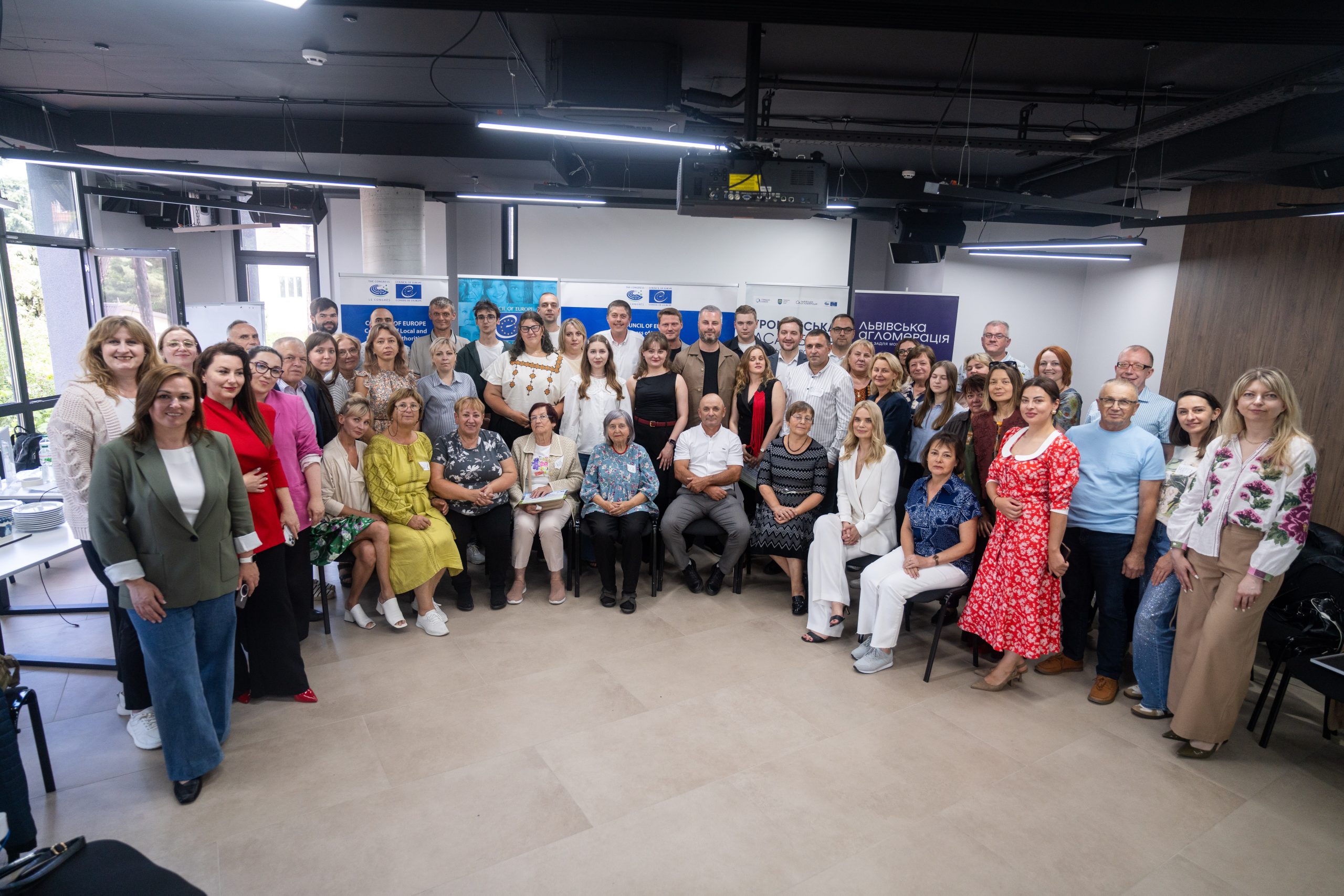
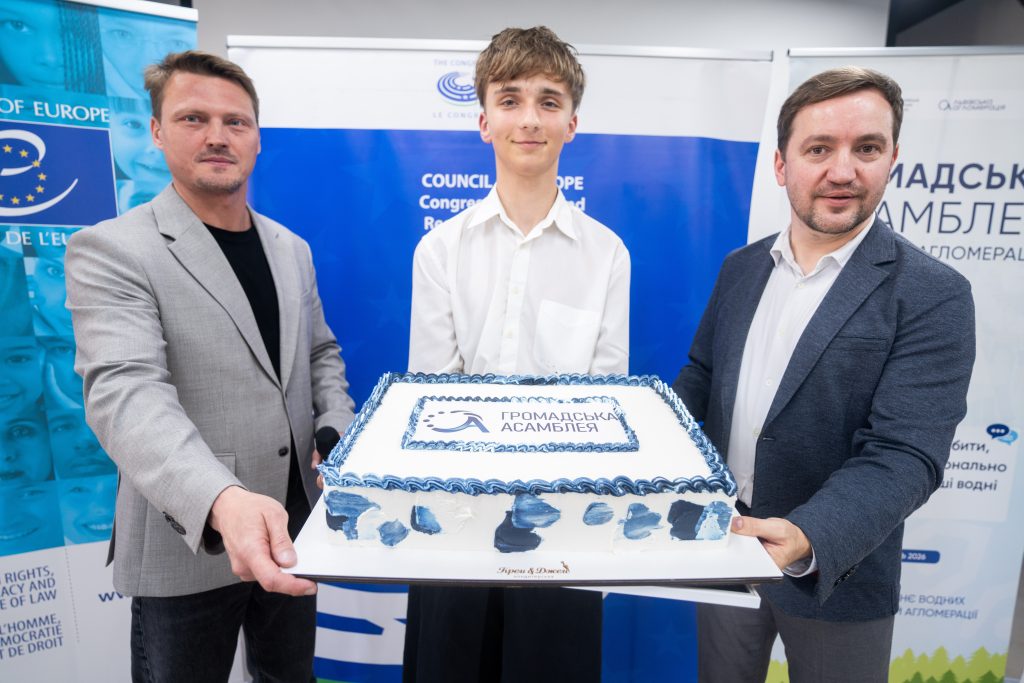
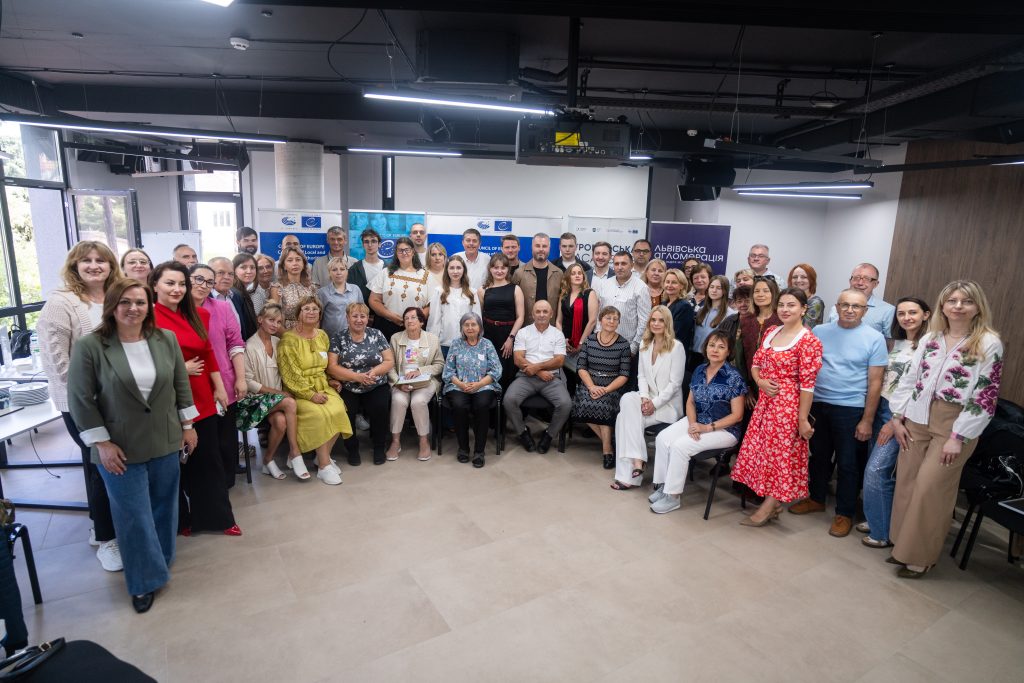
On July 11–12, 2026, Lviv hosted the third and final session of the Lviv Agglomeration Citizens’ Assembly. Across three intensive sessions, local residents—alongside leading experts, facilitators, and local government representatives—sought solutions to a strategically vital question: “How can we preserve and sustainably manage our water resources?”
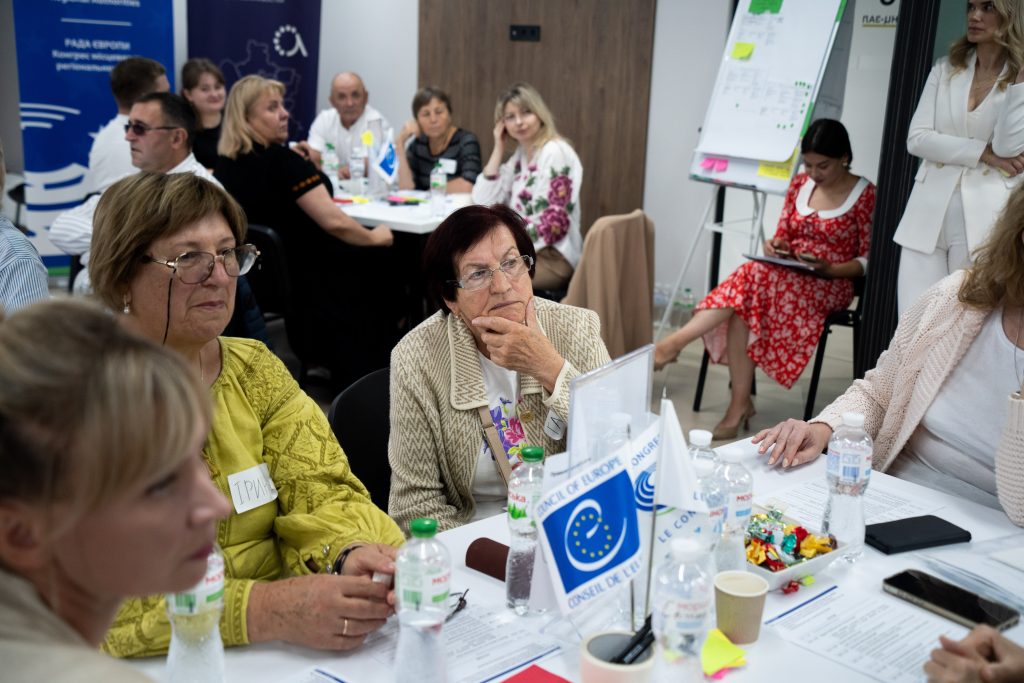
Water resources recognize no administrative boundaries; thus, addressing water supply and sanitation challenges requires consolidated action. Throughout the deliberative process, 13 experts in water management, ecology, local development, and spatial planning contributed their expertise.
Crucially, presentations were also delivered by municipal representatives from across the Lviv Agglomeration. They highlighted local challenges, shared practical experiences, and helped participants gain a deeper understanding of the complexities of water management at the metropolitan scale.
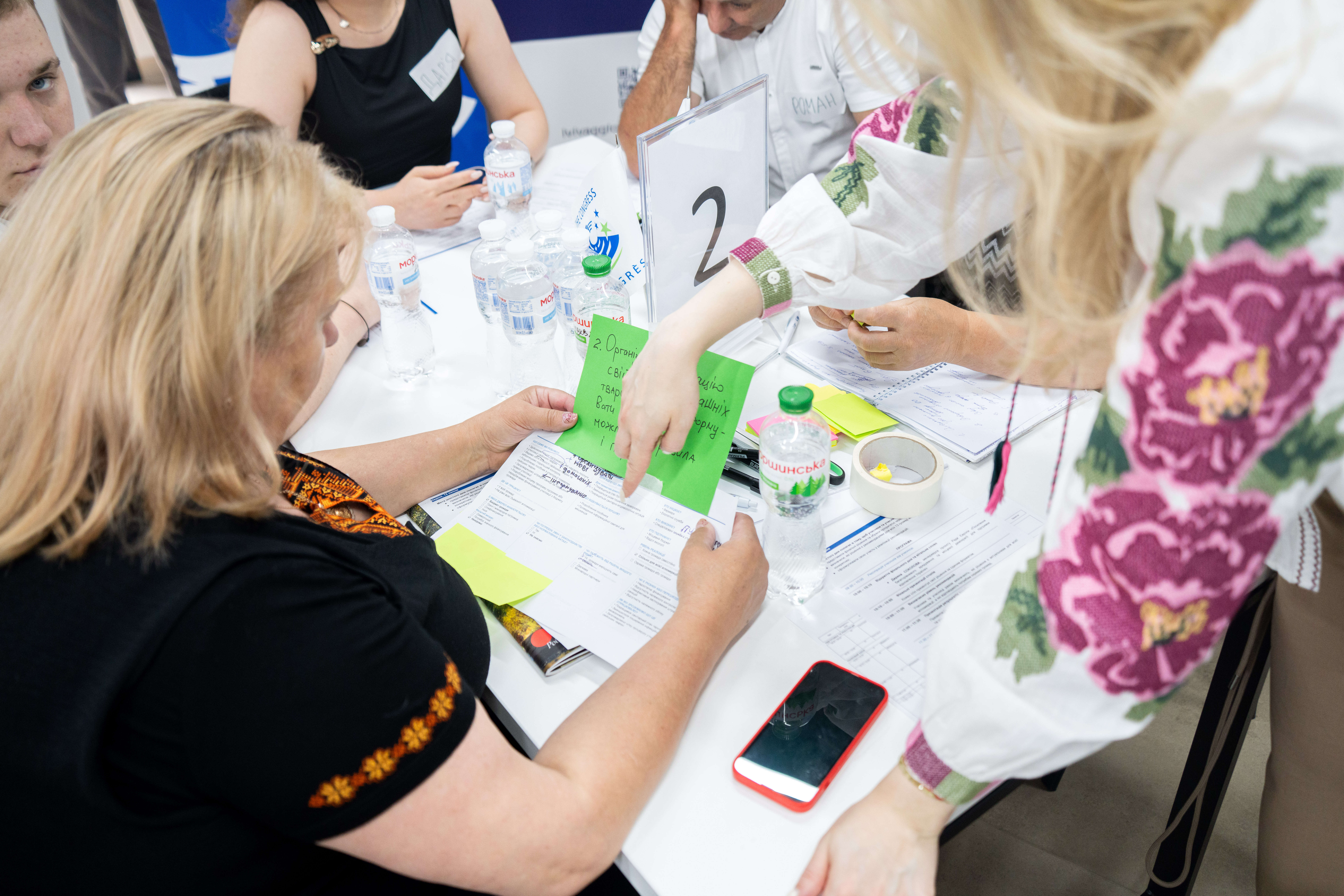
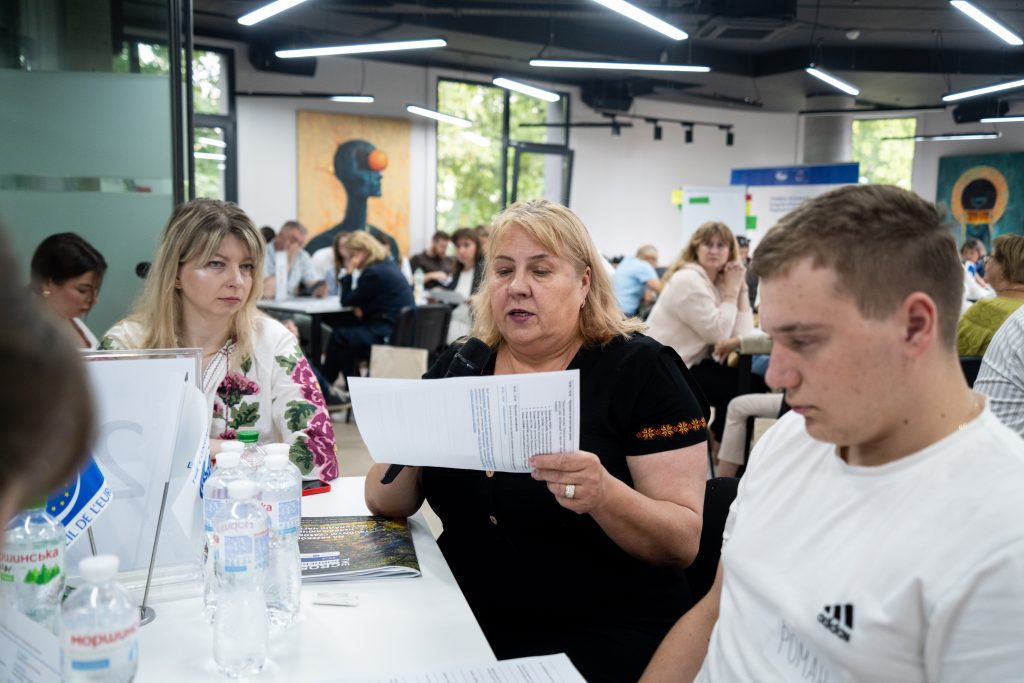
A Structured, Phased Decision-Making Process
The recommendation-building process was structured systematically across three stages:
- First Session: Deep dive into the subject matter, exploring regional water balance issues and diverse perspectives.
- Second Session: Identifying core bottlenecks, brainstorming initial concepts, and structuring potential recommendations.
- Final Session: Refining proposals, testing practical viability alongside experts, finalizing texts, and conducting the official vote.
Following the final vote, participants formulated 19 concrete recommendations for local self-government bodies, spanning four strategic pillars:
- Joint Governance at the Agglomeration Level: Establishing shared coordination tools, including a digital platform for rapid information sharing and inter-municipal collaboration.
- Environmental Education: Launching an annual “Water Community of the Year” competition and raising public awareness regarding responsible water consumption.
- Wastewater Infrastructure Development: Financial and technical assistance programs to help households connect to centralized sewage systems, install modern septic tanks, and upgrade wastewater treatment facilities.
- Climate Adaptation and Control: Implementing demonstration projects for rainwater harvesting and reuse, eliminating illegal dumpsites, and strictly enforcing environmental legislation.
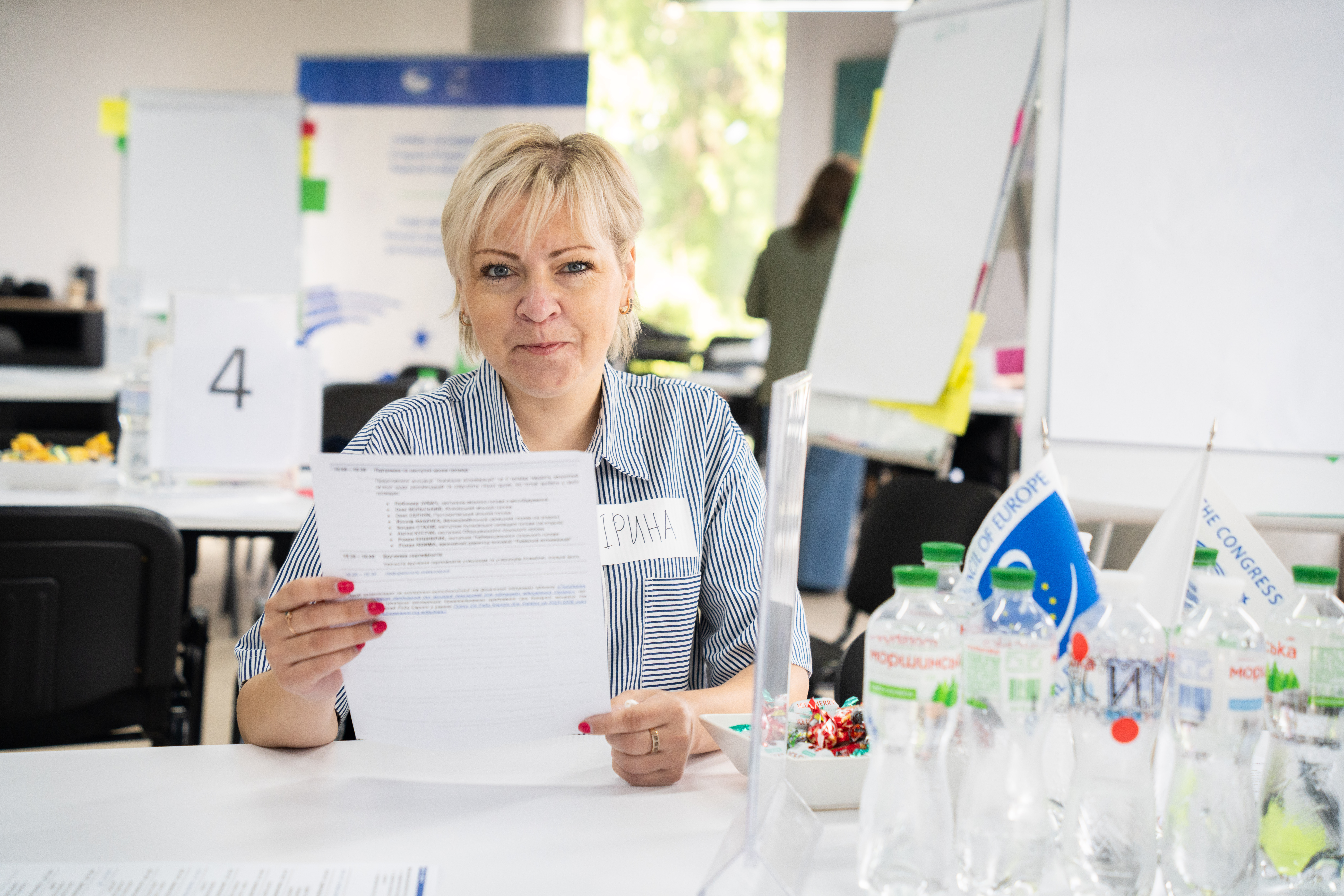
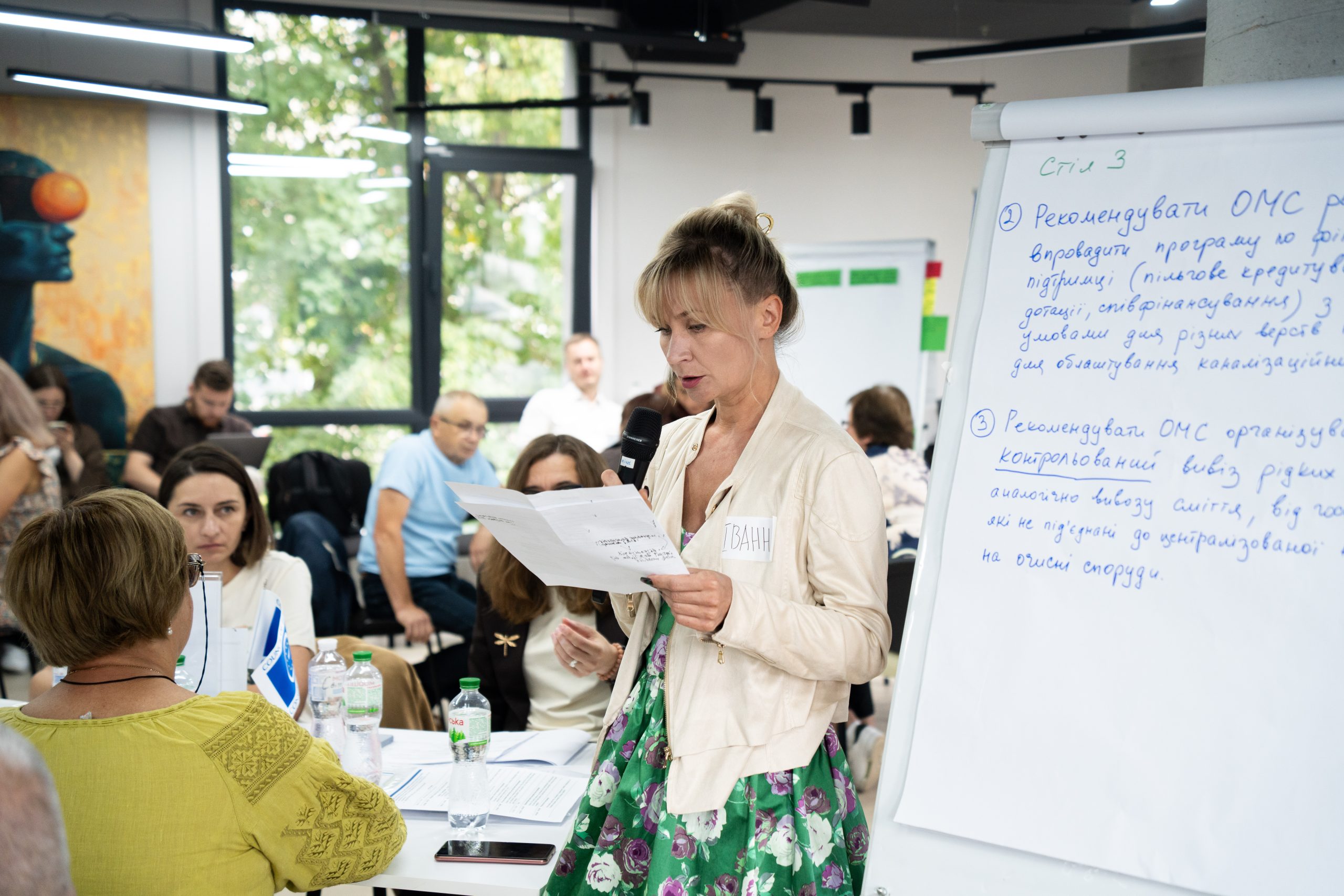
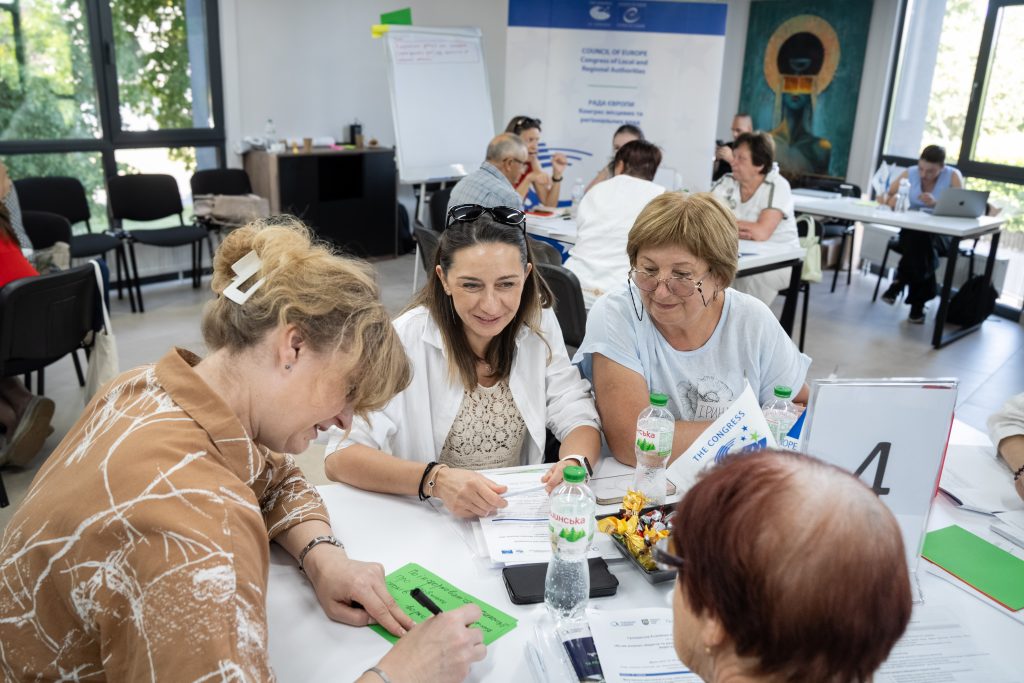
Impacting the Community Beyond Policy
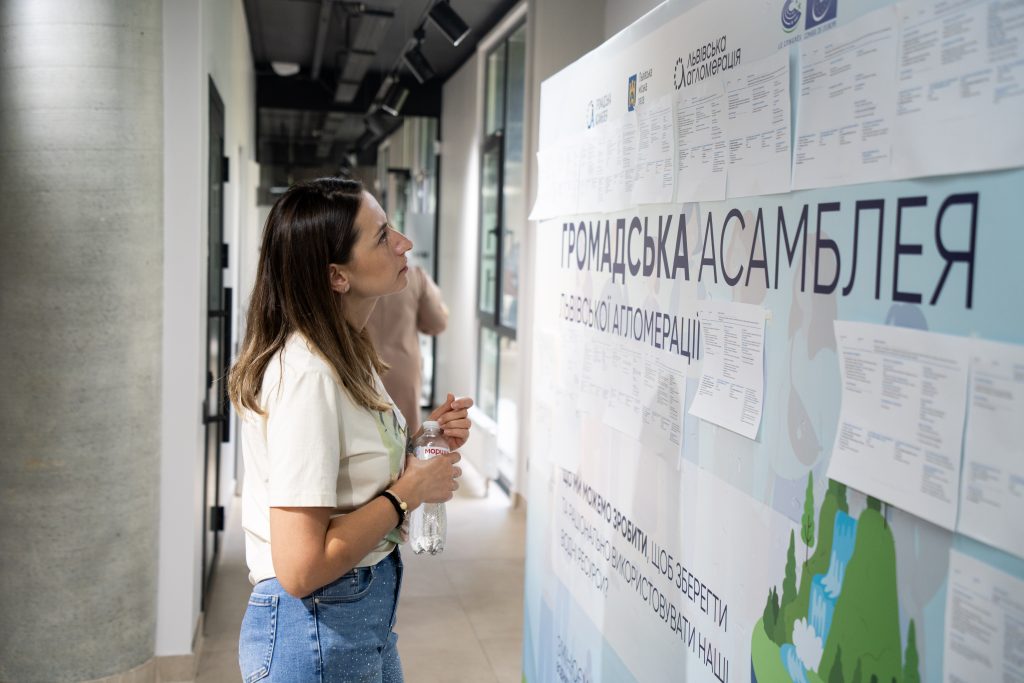
The Assembly demonstrated its value not only on paper, but also through its impact on community members:
“I was impressed by the sheer volume of information provided on water usage and pollution sources. What struck me most was how we started with scattered, unformed thoughts and ended with a clear understanding of the issues and concrete solutions. I derived great satisfaction from participating in such an event and having the opportunity to voice my opinion,” shared one female Assembly participant.
“The organization of the Assembly was top-tier—my impressions are entirely positive. New acquaintances, new ideas, new solutions, and hope for a better quality of life in our agglomeration. I look forward to seeing how these recommendations are put into practice,” added another participant.
Strategic Implementation and Next Steps
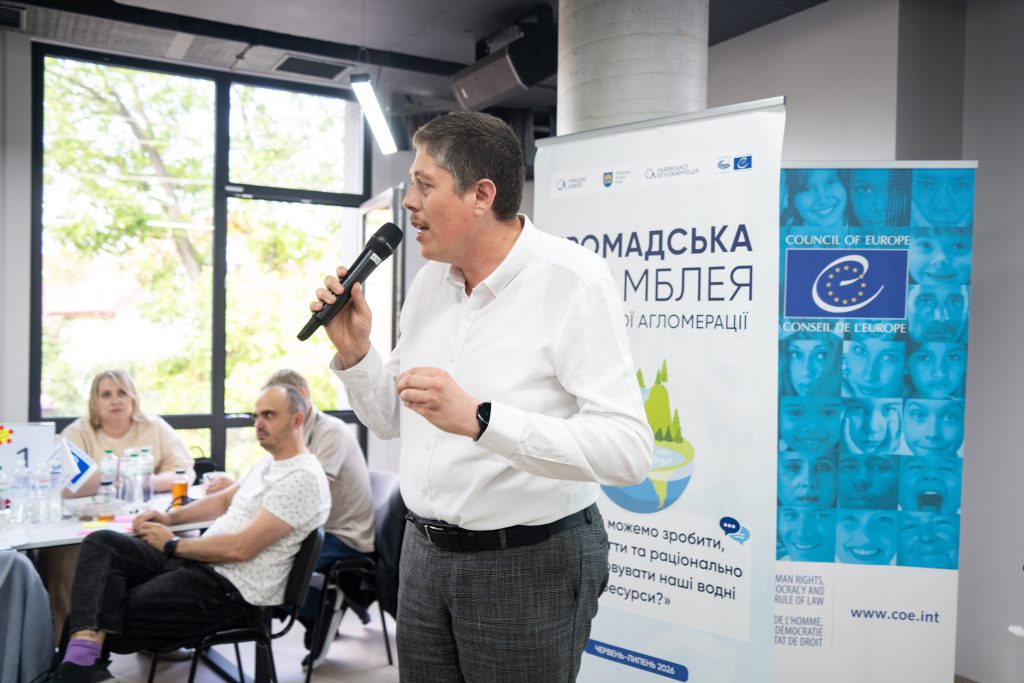
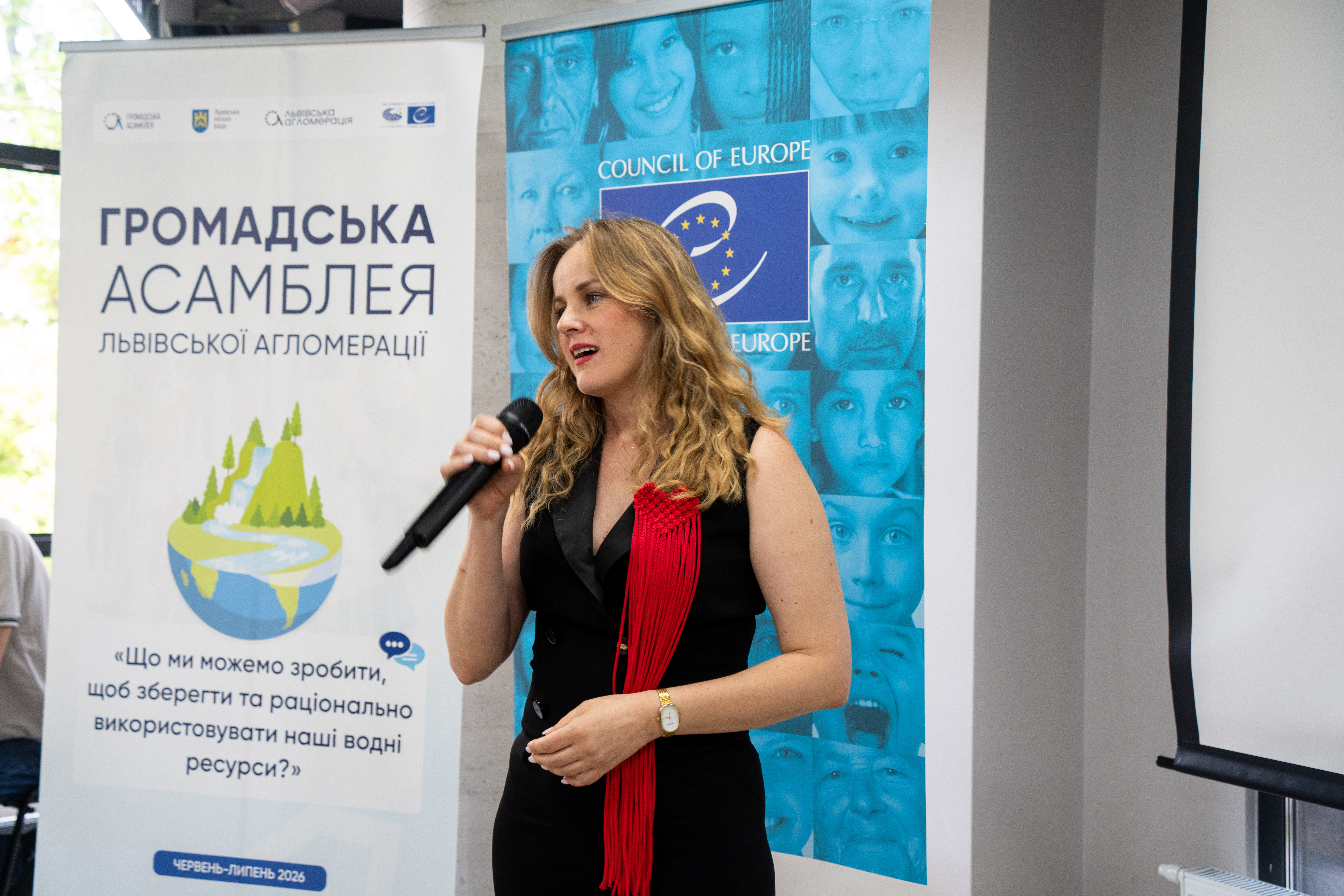
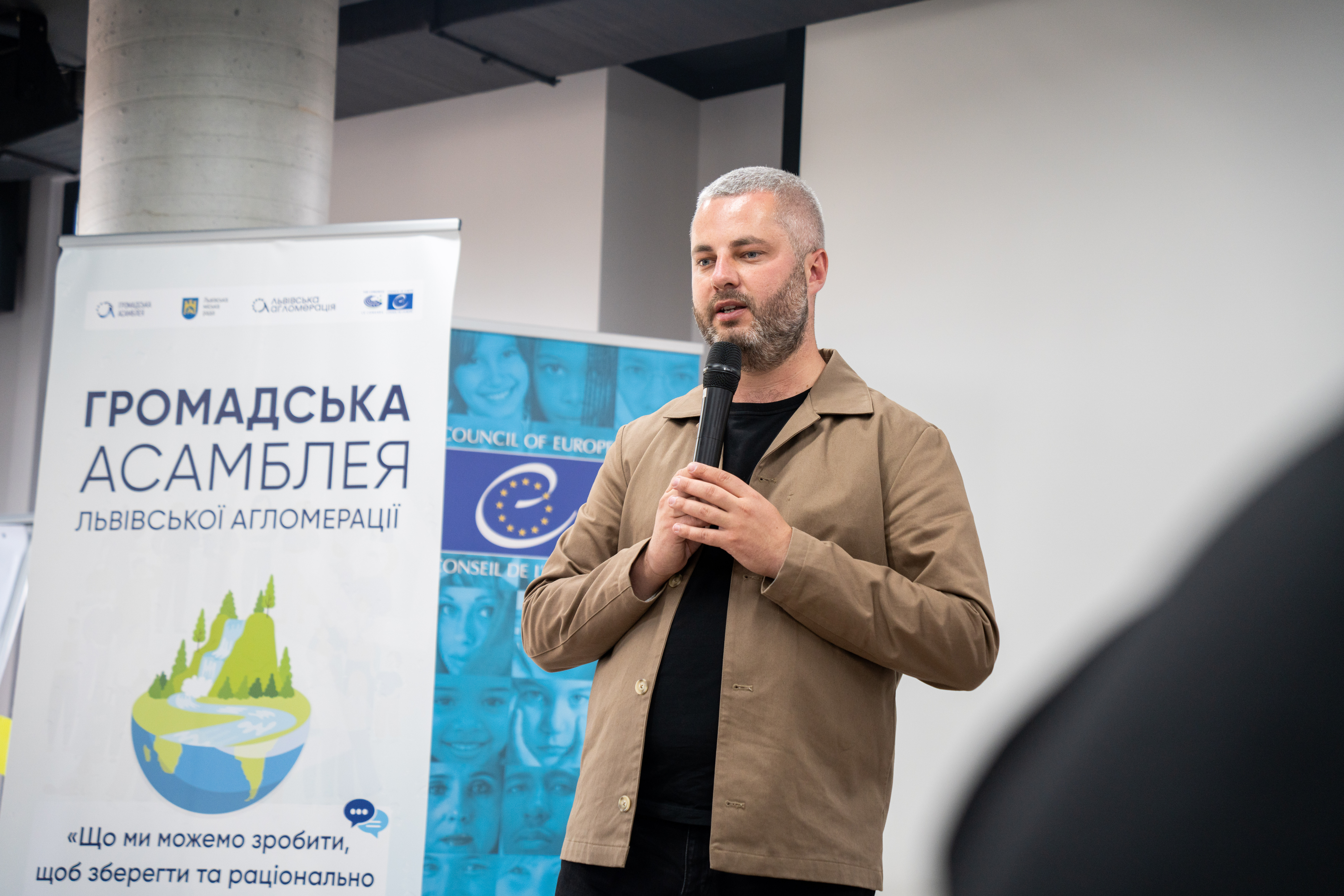
The finalized recommendations have already been officially presented to local leaders. Feedback and commitment to future coordination were expressed by Roman Kizyma, Executive Director of the Lviv Agglomeration Association; Oleh Sernyak, Mayor of Pustomyty; Oleh Volskyi, Mayor of Zhovkva; Roman Kushneryk, Deputy Head of Pidberyztsi Village Council; and Nataliya Podvirna, Head of the Social Protection Department at Davydiv Village Council.
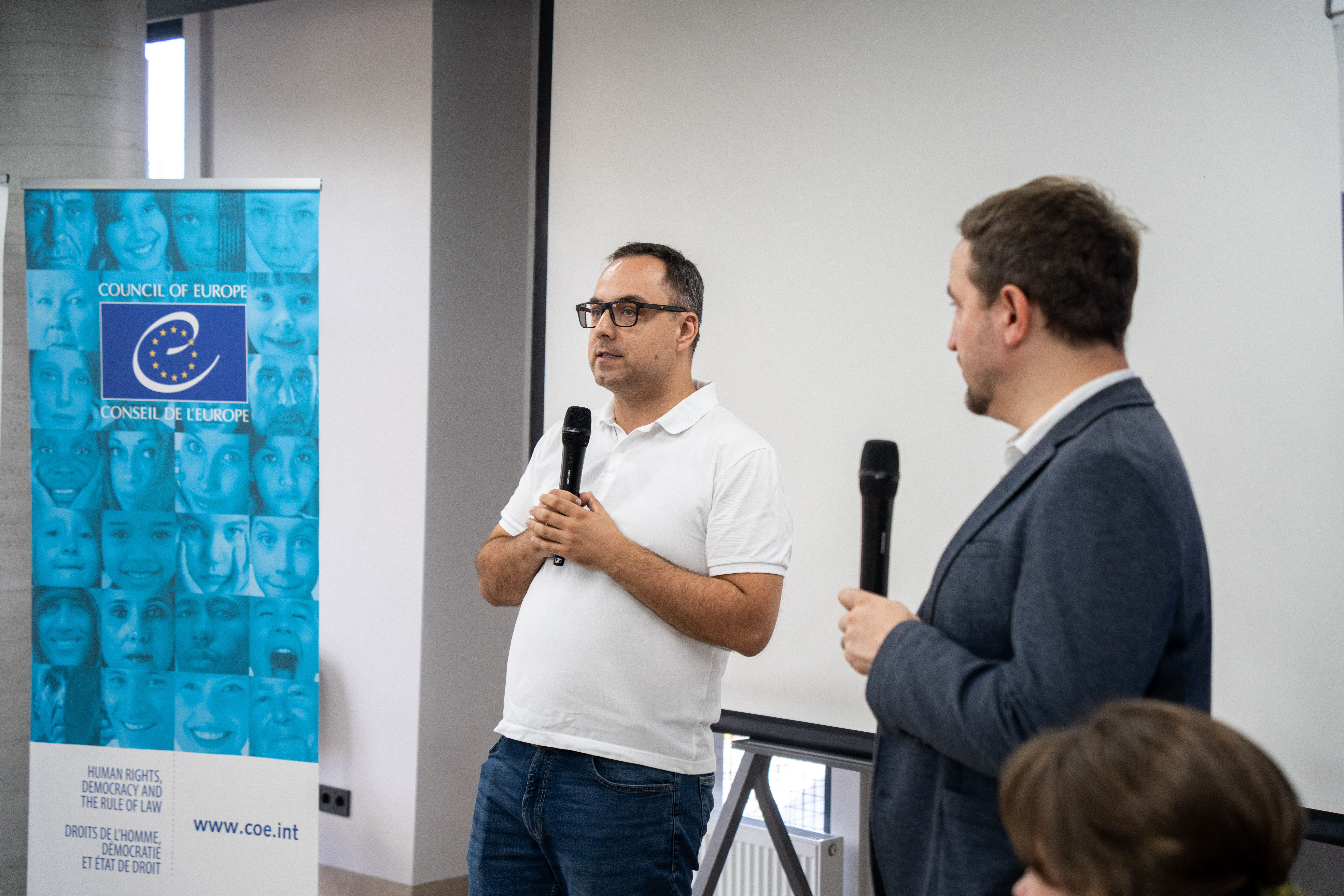
The next step will be the publication of a comprehensive report on the Citizens’ Assembly, featuring an in-depth process analysis and detailed descriptions of all 19 recommendations.
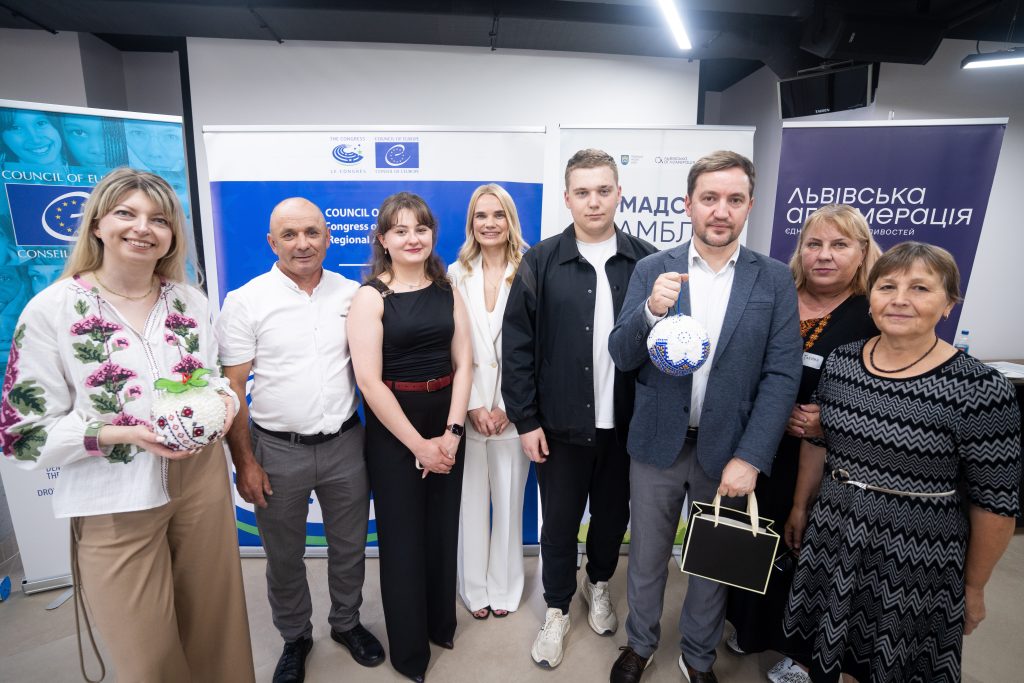
The Lviv Agglomeration expresses its gratitude to every resident and expert for their contribution to shared environmental security. Together, we are building stronger, cleaner, and more resilient communities!
We also extend our deep and sincere appreciation to the Council of Europe Office in Ukraine for its comprehensive financial, expert, and methodological support. Organizing and conducting the Assembly was made possible through the Council of Europe project “Strengthening Multi-Level Governance and Local Democracy to Support Ukraine’s Recovery” (under the Council of Europe Action Plan for Ukraine “Resilience, Recovery and Reconstruction” 2023–2026).
Through this partnership, the communities of the Lviv Agglomeration have acquired an invaluable instrument of European-standard participatory democracy, laying a solid foundation for sustainable inter-municipal environmental cooperation.
The preparation and implementation of the Citizens’ Assembly were carried out within the framework of the Council of Europe Action Plan for Ukraine “Resilience, Recovery and Reconstruction” (2023–2026), under the project “Strengthening Multi-Level Governance and Local Democracy to Support Ukraine’s Recovery,” implemented by the Centre of Expertise for Multi-Level Governance at the Congress of Local and Regional Authorities of the Council of Europe.