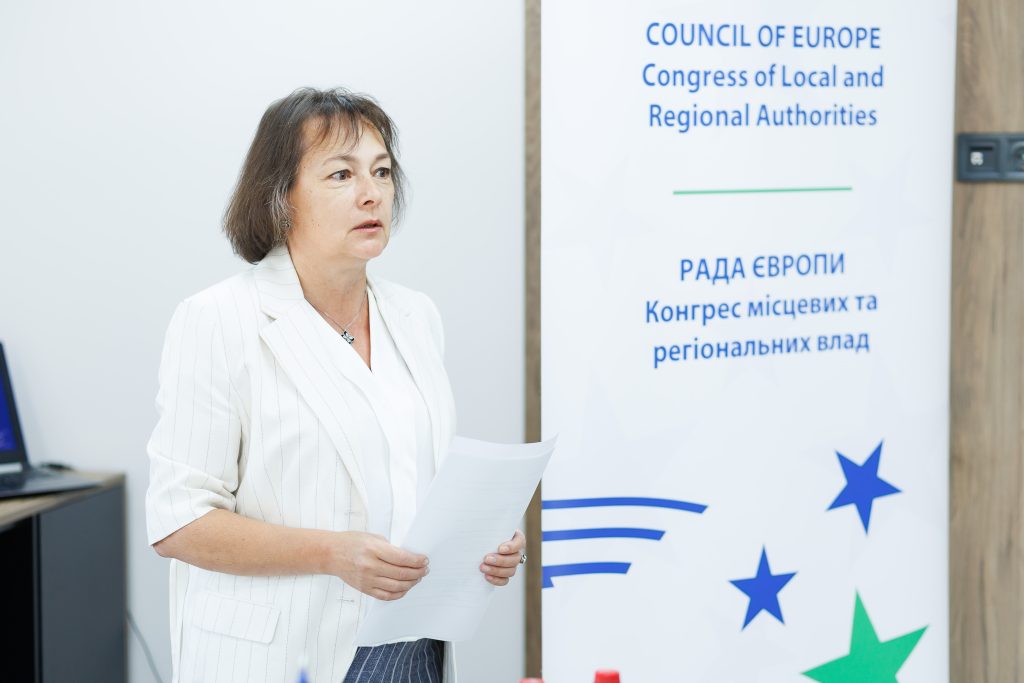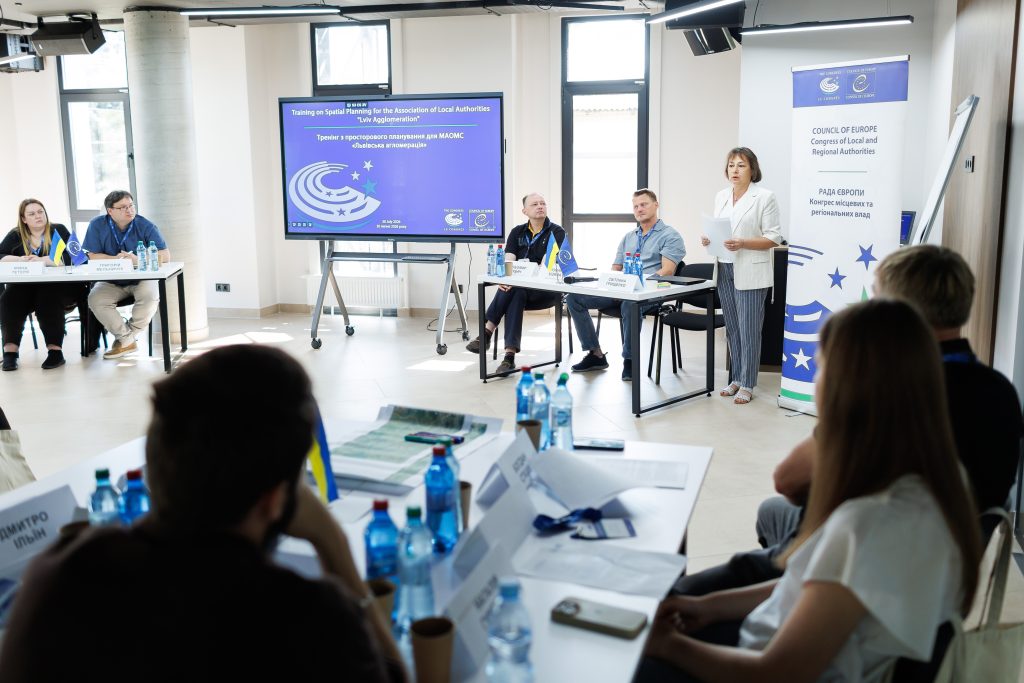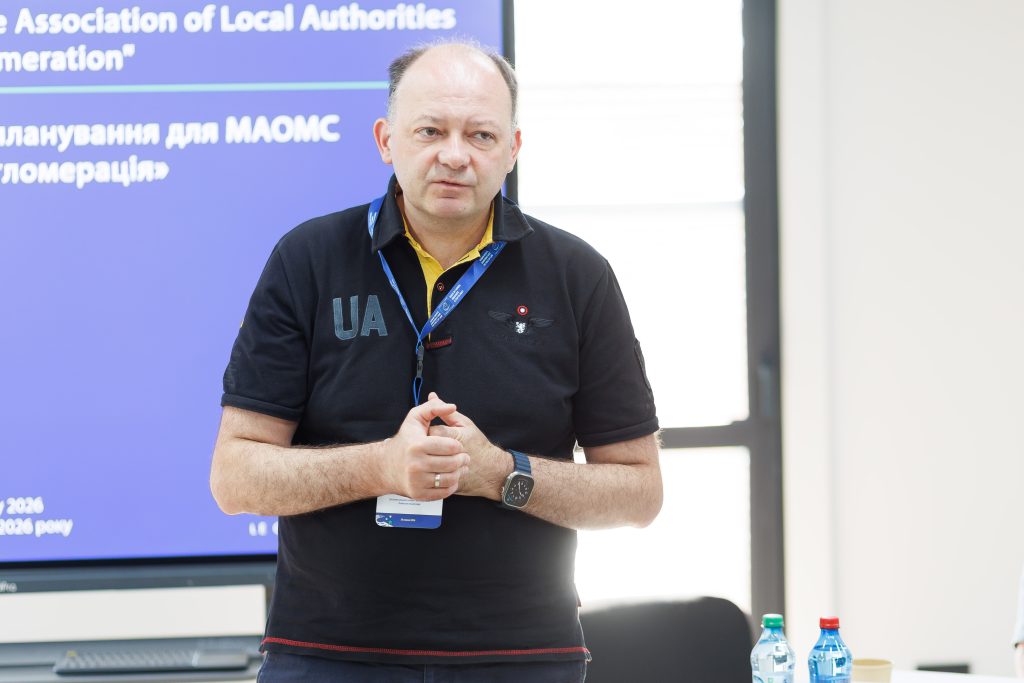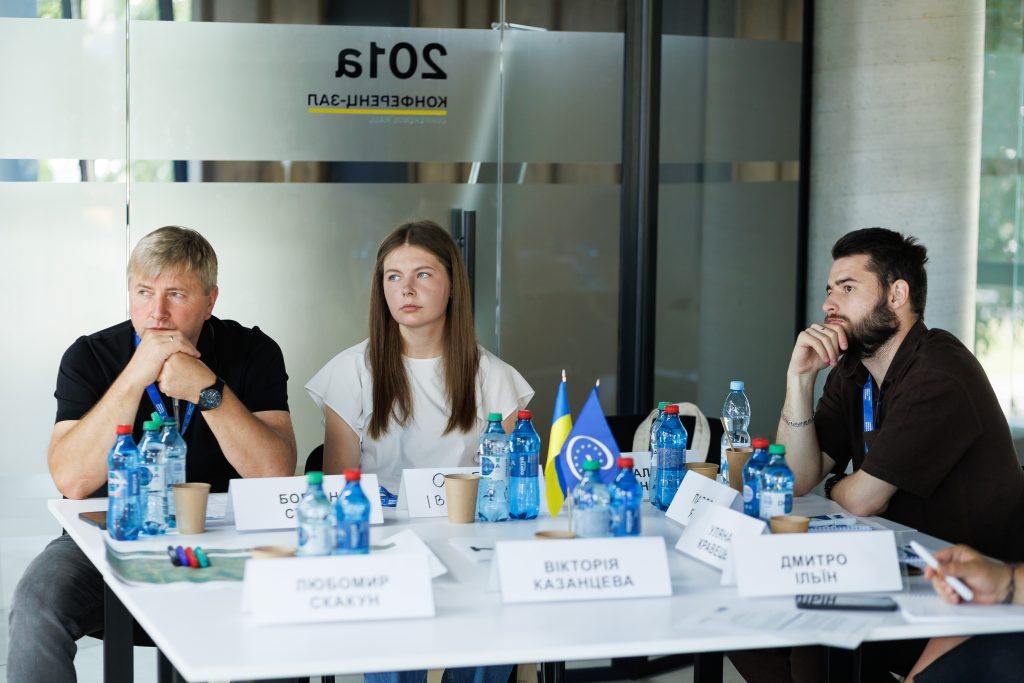
Agglomeration development is, above all, the ability to systematically align the interests of neighboring municipalities, bridge bureaucratic divides, and operate based on real data. Spatial planning and inter-municipal dialogue took center stage at a specialized training workshop held in Lviv with the support of the Council of Europe.
The event brought together representatives of local self-government bodies from the Lviv Agglomeration, leading urban planning experts, and specialists in subregional governance.
Legislative Framework
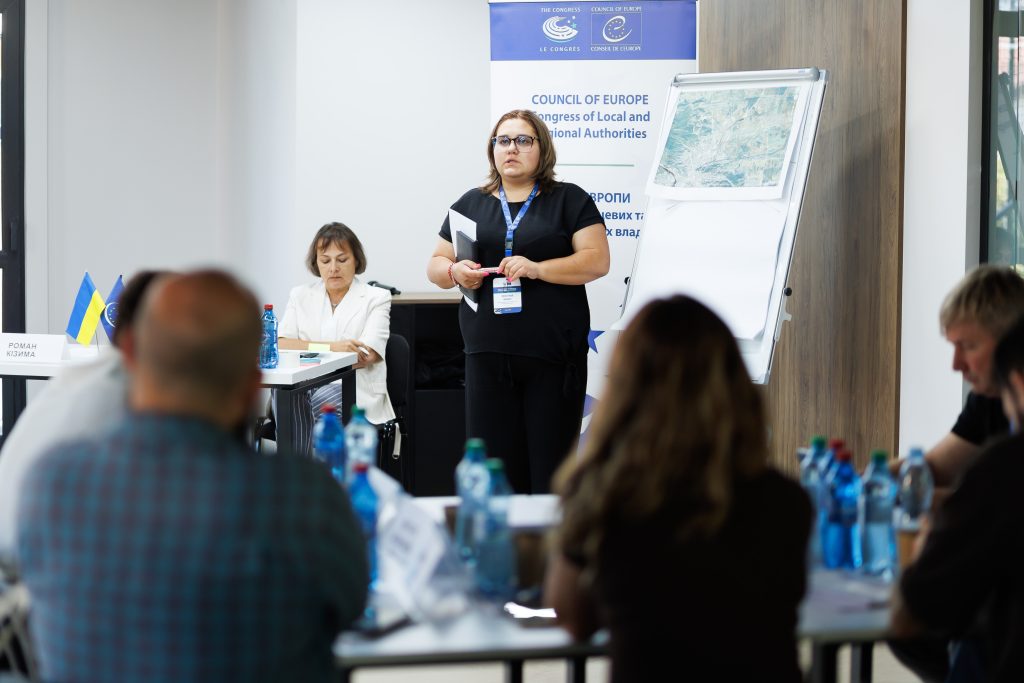
The expert-led segment of the event focused on a deep analysis of Ukraine’s regulatory and legal framework. Consultants from the Council of Europe project, together with municipal representatives, thoroughly examined the existing legal and urban planning levers that enable neighboring localities to act as a single, capable entity.
Particular emphasis was placed on the fact that inter-municipal cooperation in spatial development does not compromise the sovereignty of an individual municipality; rather, it serves as an additional resource for attracting investment, harmonizing land use, and efficiently developing infrastructure networks.

Spatial Digitalization
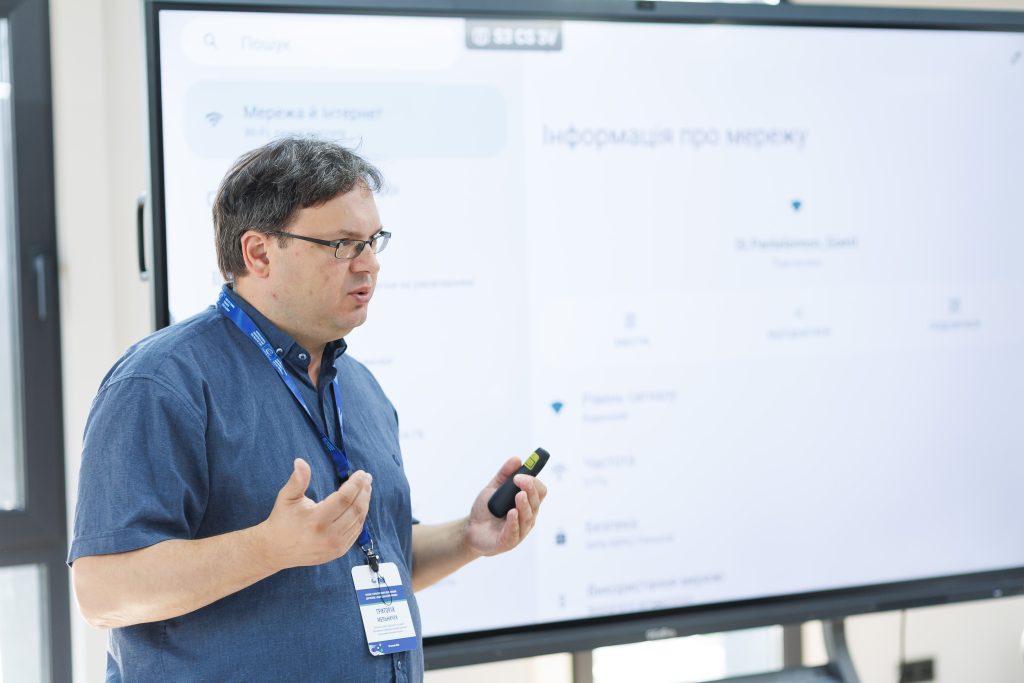
The presentation of the “Digital Twin” concept generated the greatest interest among participants. This innovative tool elevates spatial planning to a qualitatively new level of data-driven governance.
By creating an interactive, high-precision 3D model of their territory, municipalities gain the ability to:
- Model traffic and transit flows prior to making decisions on new transport routes or interchanges;
- Assess the environmental and infrastructure load resulting from new development projects;
- Calculate development scenarios for utility networks and optimize the use of land resources in real time.




From Strategies to Solutions
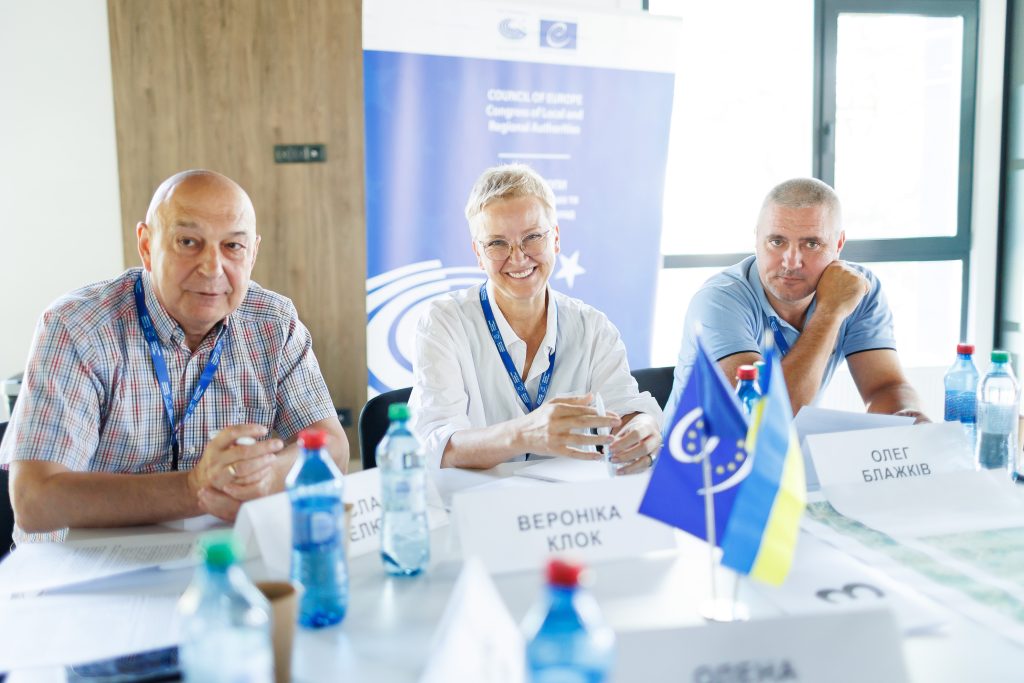
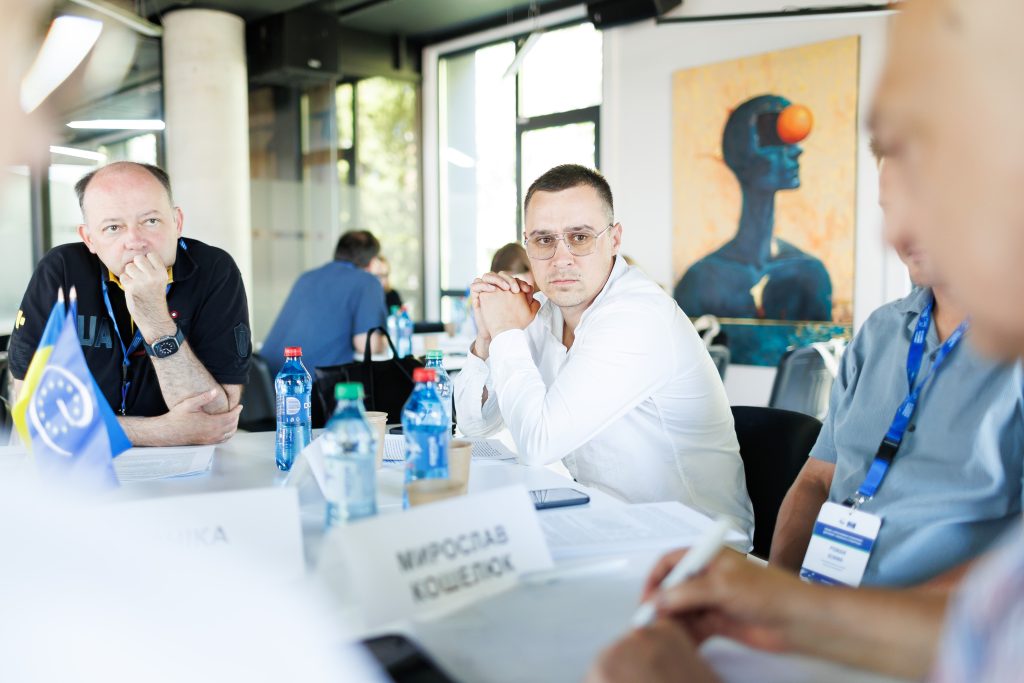
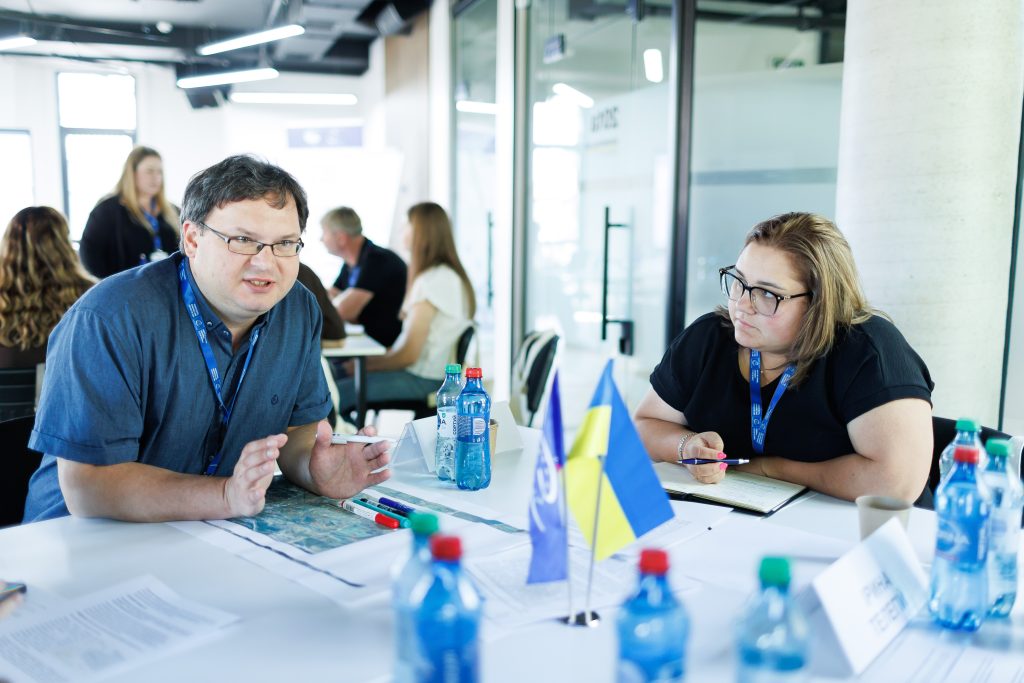
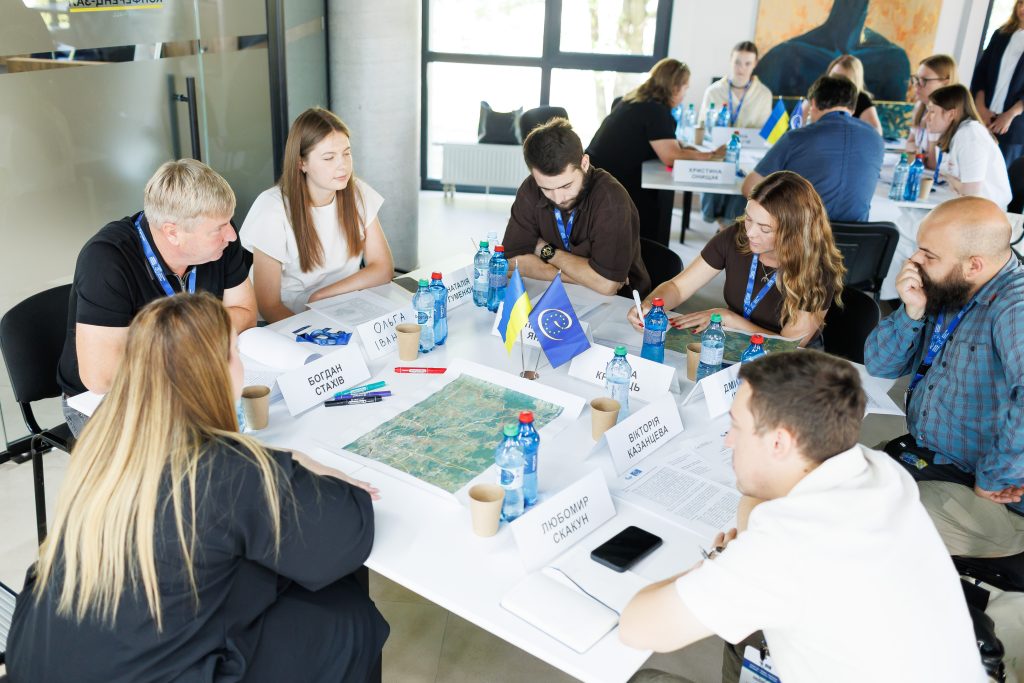
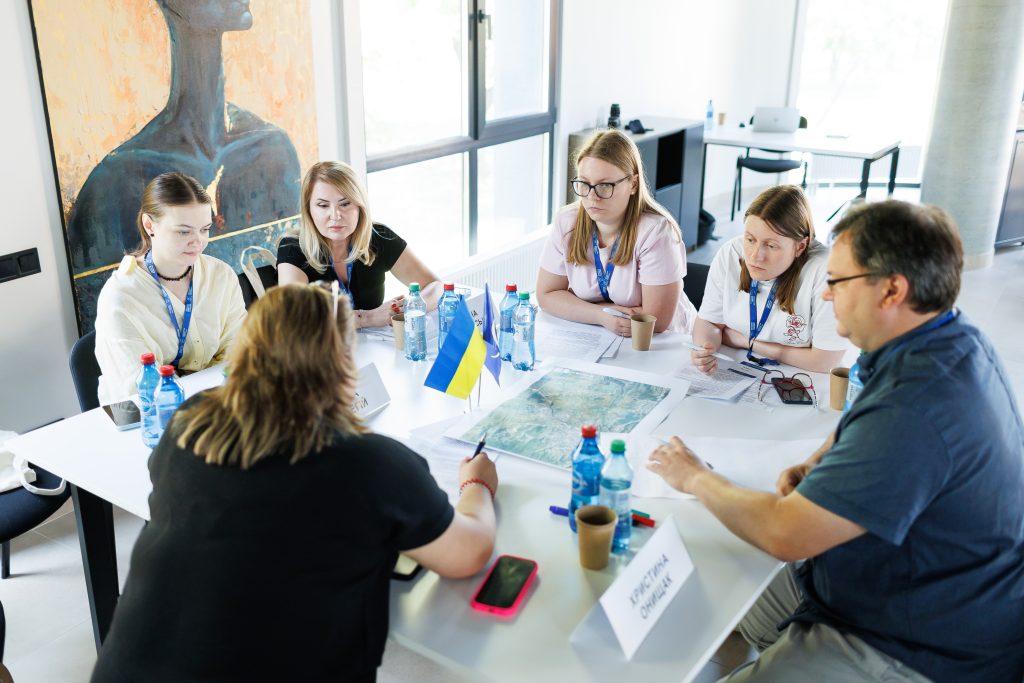
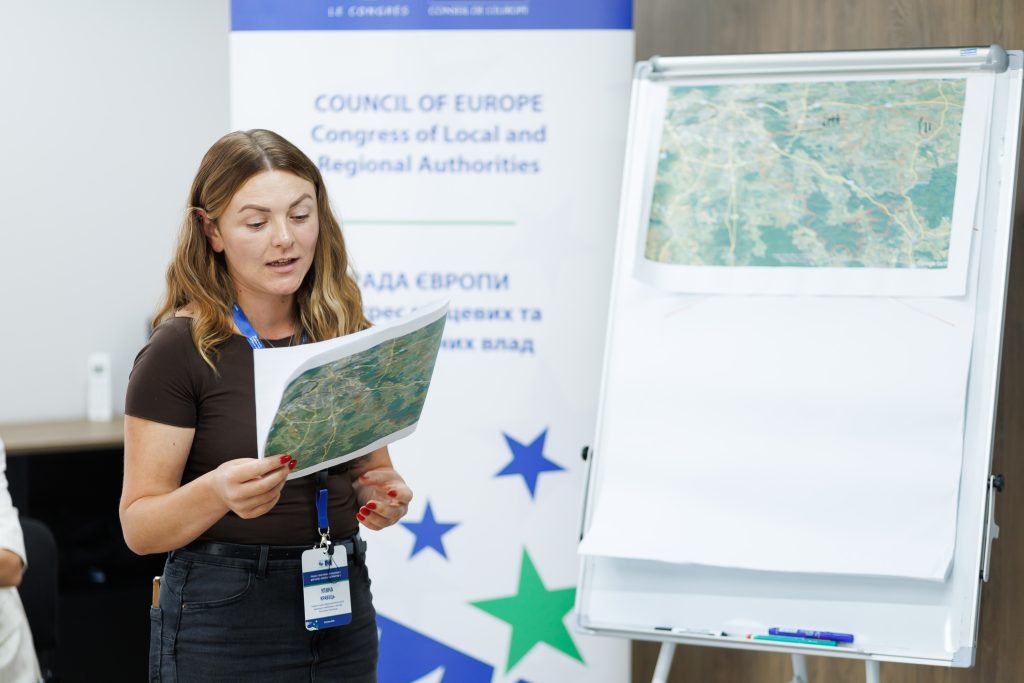
As part of the practical workshop, municipal teams and experts worked through applied mechanisms for subregional spatial integration. Participants developed joint workflows for drafting terms of reference for comprehensive spatial development plans.
The second half of the event focused on projects of critical importance to the entire agglomeration:
- Mobility and Logistics: The development of the Lviv railway transport hub and the implementation of a multimodal logistics hub project, aimed at enhancing the agglomeration’s transit and economic potential.
- Environmental Safety and Sustainability: The Association’s environmental initiative to restore and rehabilitate peatlands in the northeastern part of the agglomeration, which is crucial for preserving water balance and mitigating climate risks.
- Identifying Shared Growth Vectors: Expert discussions on identifying new areas of common interest—ranging from the boundaries of municipal recreational zones to shared waste management and recycling facilities.




Thanks to the systematic support of European partners, the Lviv Agglomeration continues to shape modern standards of subregional governance that will serve as a model for other regions across Ukraine undergoing recovery and development.
“The main takeaway of this training is not just new knowledge of legislation or digital tools, but the willingness of municipalities to work on solutions that should be adopted collectively at the agglomeration level rather than individually. It is vital for us that the barrier where a community thinks solely about its own territory is disappearing, and that municipalities are ready to share responsibility. The Lviv Agglomeration demonstrates that subregional development is achievable even without a dedicated law—provided there is trust, a shared vision of priorities, and clear communication between municipalities.”
This capacity-building event was organized within the framework of the project “Strengthening Multi-Level Governance and Local Democracy to Support Ukraine’s Recovery,” implemented by the Centre of Expertise for Multi-Level Governance at the Congress of Local and Regional Authorities of the Council of Europe, in alignment with the Council of Europe Action Plan for Ukraine “Resilience, Recovery and Reconstruction” (2023–2026).