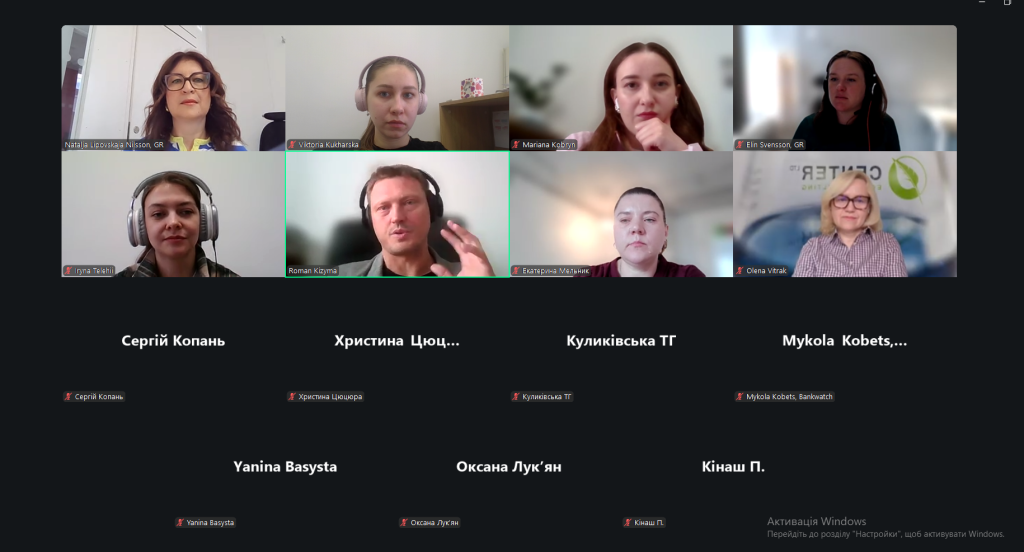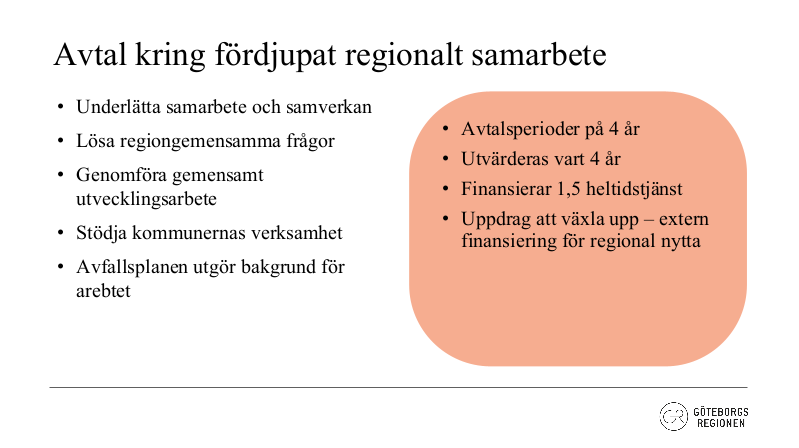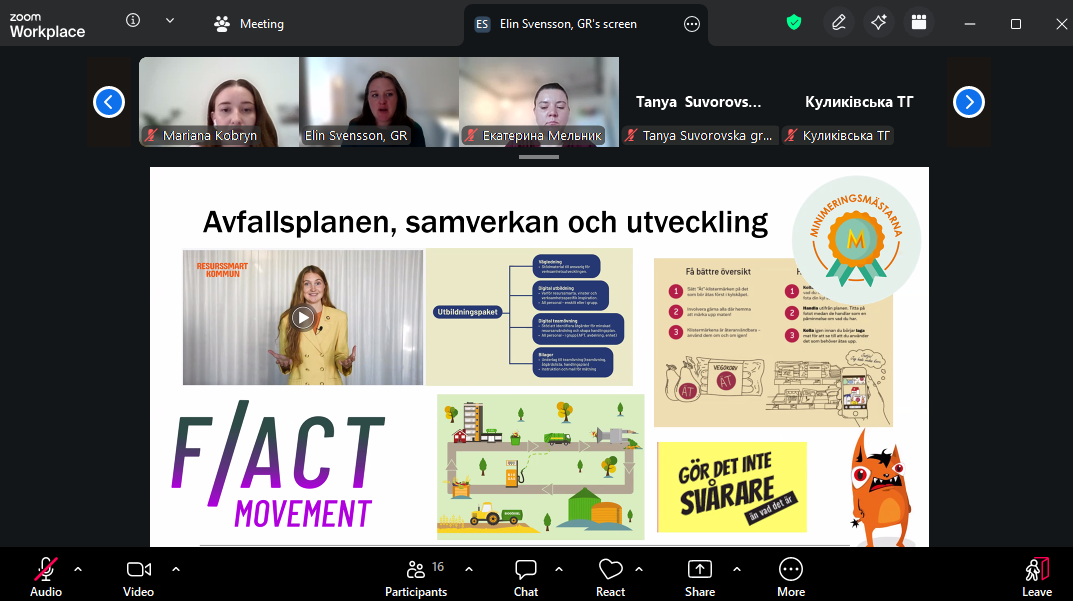
The Lviv Agglomeration Association continues its active cooperation with partners from the Gothenburg Region. An online meeting was held with region representatives Elin Svensson and Nataliia Lipetska, focusing on how Swedish municipalities learned to operate as a unified metropolis.
The history of the Gothenburg Region is highly exemplary.
Just a few decades ago, the communities surrounding Gothenburg competed with one another for investment, businesses, and resources. However, over time, it became evident that transport, waste management, housing, the labor market, ecology, and engineering infrastructure had long transcended administrative boundaries.
People may live in one community, work in another, study in a third, and utilize the infrastructure of the entire metropolitan region. This is precisely how the modern metropolitan approach began to take shape in Sweden.
Today, the Gothenburg Region unites 13 municipalities and over 1 million residents. The communities jointly coordinate:
- waste management;
- spatial planning;
- environmental and water policy;
- education and vocational training;
- regional economic development.
During the presentation, Elin Svensson highlighted how trust is built between communities in the Gothenburg Region. In fact, a permanent system of metropolitan networking has been established there, featuring:
- regular meetings between mayors and community leadership;
- thematic working groups;
- joint offices and coordinating bodies;
- continuous exchange of data and analytics;
- inter-municipal teams for project implementation;
- collaborative strategic planning for years to come.
Crucially, a significant part of this cooperation is built not on coercion, but on a culture of dialogue and the pursuit of mutual benefit. The presentation repeatedly emphasized the core idea: a metropolis is, first and foremost, about trust between municipalities.
One of the most compelling examples highlighted was Renova, a joint inter-municipal entity in the field of waste management. The municipalities recognized a simple reality: developing separate waste management systems in each individual community is expensive, inefficient, and strategically counterproductive. Therefore, they pooled their resources and created a shared management model.
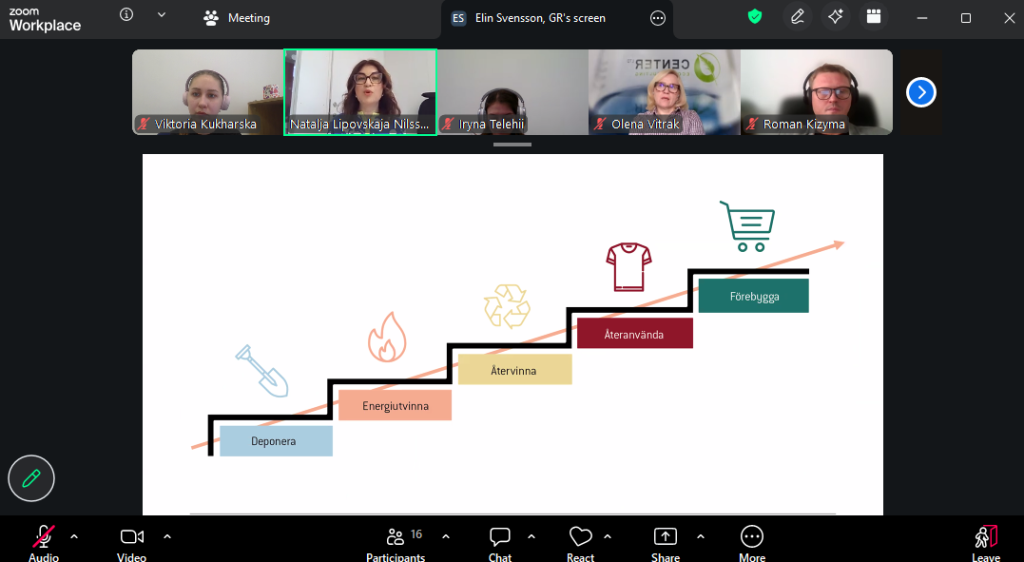
Today, Renova:
- serves the entire metropolitan region;
- is responsible for waste collection and recycling;
- ensures environmental monitoring;
- operates as a shared infrastructure company owned by the communities.
Essentially, this serves as an example of how municipalities can co-create robust shared services that would otherwise be far more costly and less efficient if managed individually.
For the Lviv Agglomeration, this experience is remarkably relevant. Even today, the agglomeration represents a single functional area with a population of over 1 million residents, a shared labor market, a unified transport system, as well as joint water and engineering infrastructure.
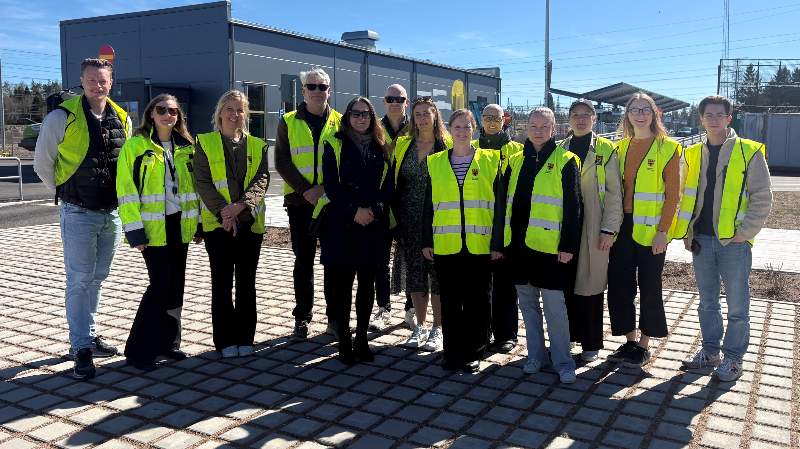
This is precisely why the communities of the agglomeration are working together on:
- the Strategic Municipal Solid Waste Management Plan;
- integrated mobility;
- the development of water supply and sewage systems;
- environmental projects;
- inter-municipal agreements and cooperation models.
It is particularly important that the Lviv Agglomeration, much like many European metropolises, is being built on the principles of voluntariness, equality among communities, and cooperation without any community forfeiting its authorities. In effect, we are currently navigating the path that European metropolises took decades to traverse.
The experience of Gothenburg clearly demonstrates that a strong metropolis does not begin with a new tier of government, but rather with the capacity of communities to engage in regular dialogue, trust one another, and collectively address challenges that cannot be resolved in isolation.
This is how a modern European metropolis is formed. This is how the Lviv Agglomeration is being shaped.