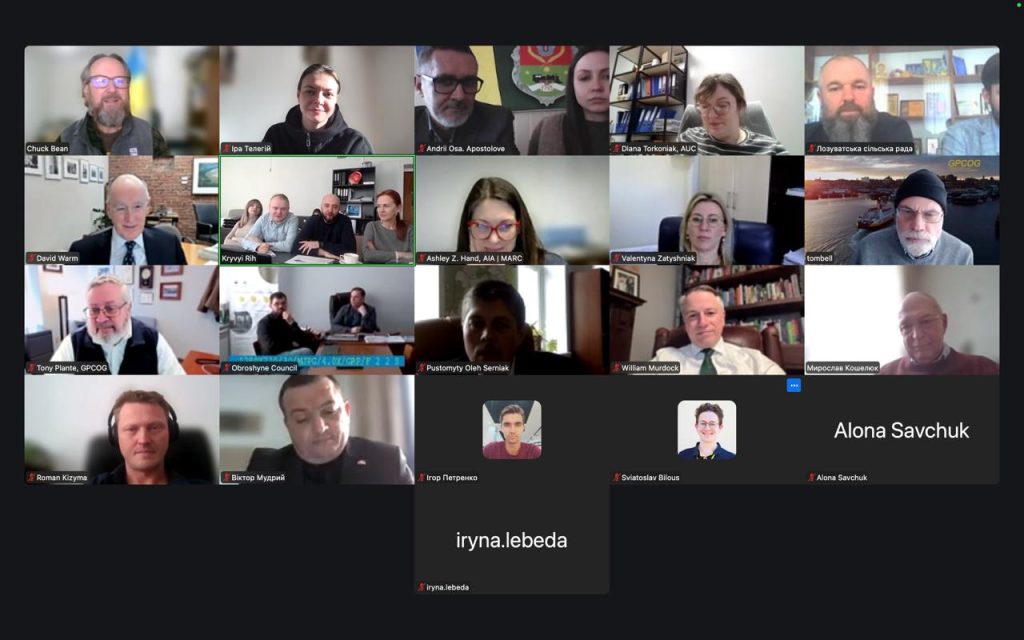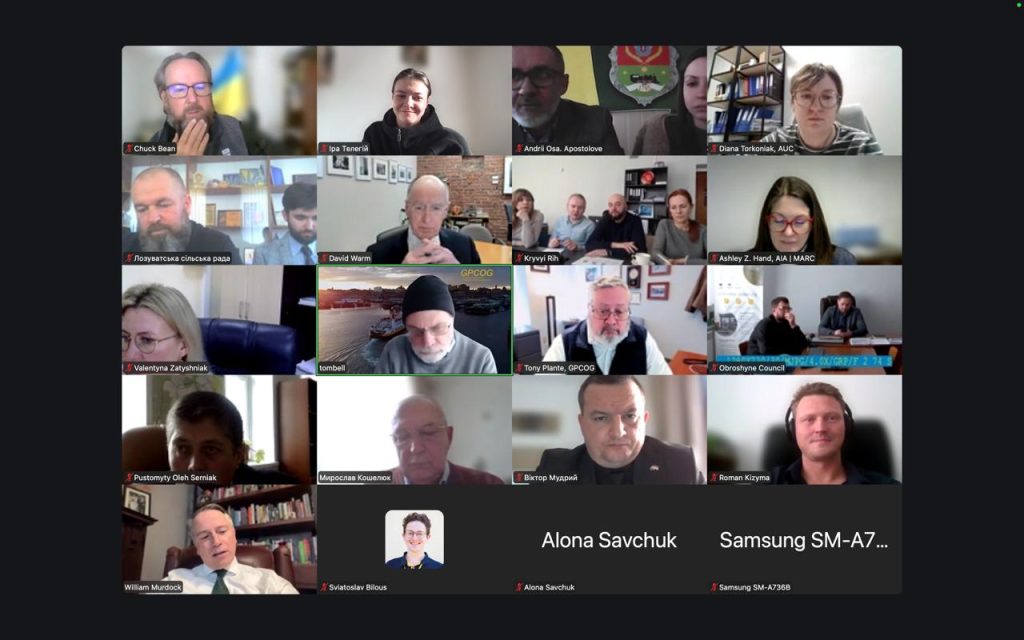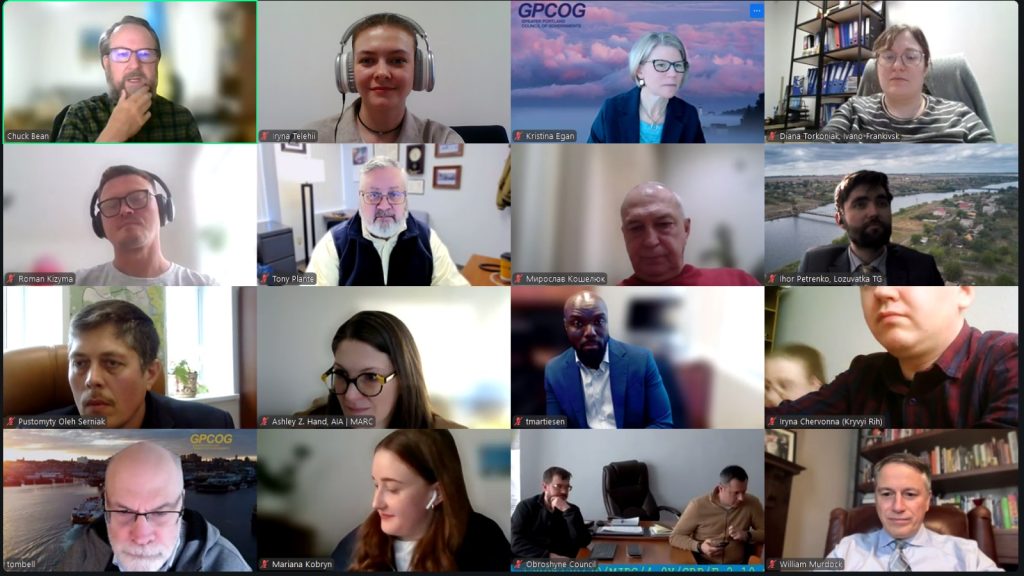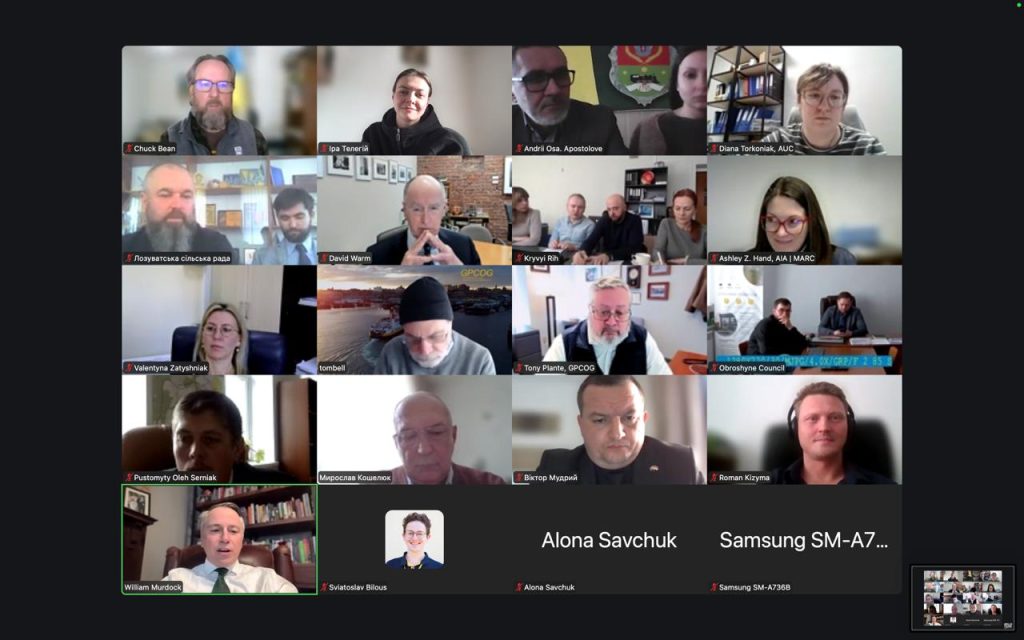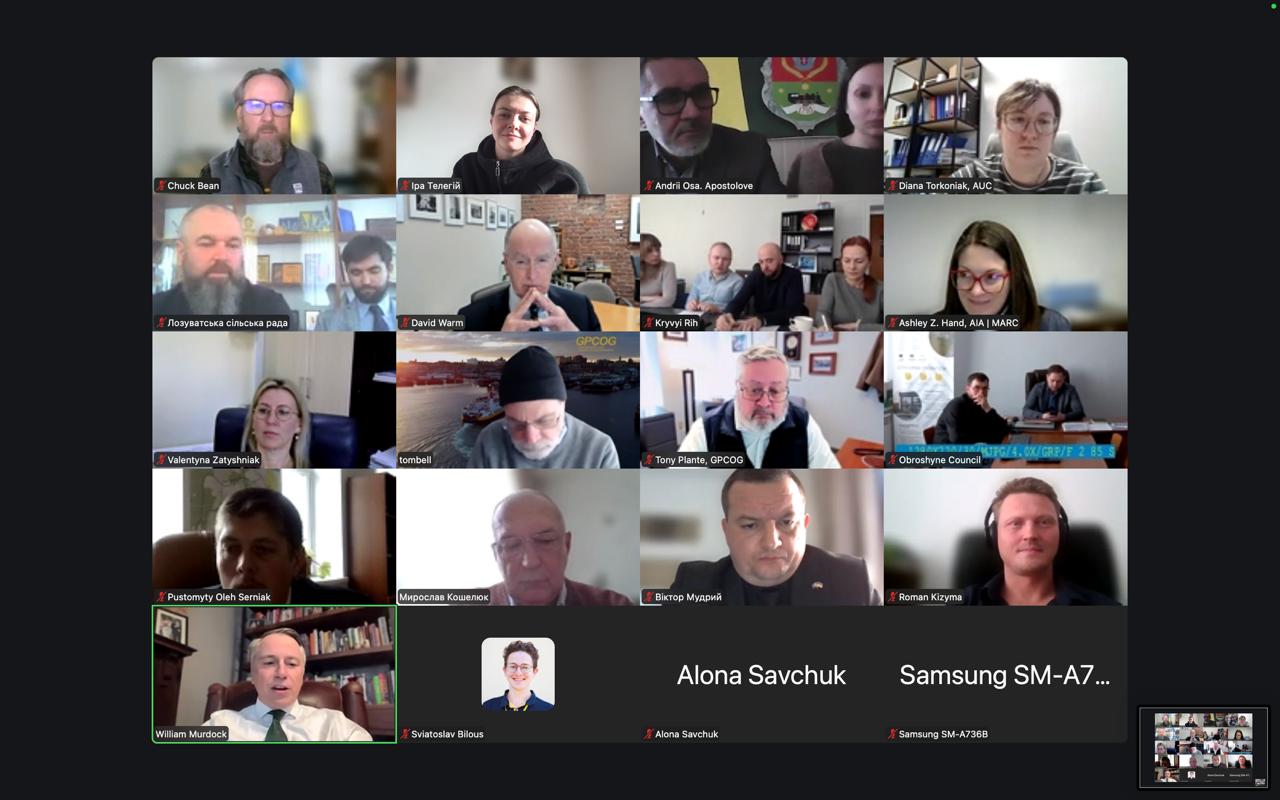
A landmark event for the development of municipal cooperation in Ukraine recently took place: the U.S.–Ukraine Metropolitan Planning Exchange. This series of online meetings brought together urban managers and regional leaders to exchange expertise in building effective governance at the metropolitan level.
The Lviv Agglomeration Association, in partnership with the National Association of Regional Councils (NARC) of the United States, served as the moderator and co-organizer of this dialogue.
Who participated?
The exchange featured representatives from three prominent U.S. Metropolitan Planning Organizations (MPOs):
- Columbus, Ohio (MORPC);
- Kansas City, Missouri (MARC);
- Portland, Maine (GPCOG).
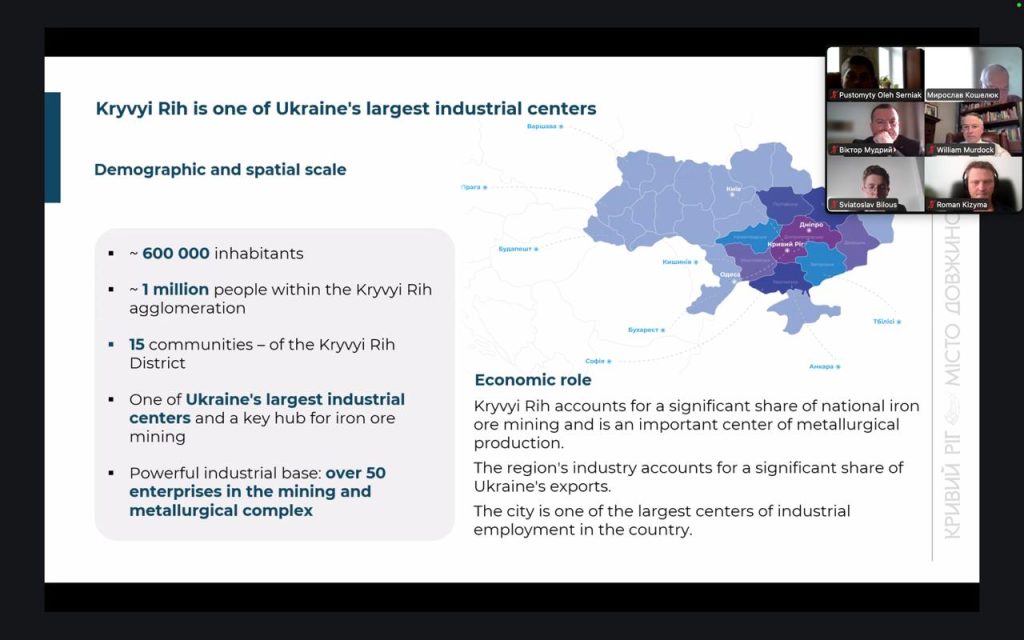
Ukraine was represented by experts in inter-municipal coordination from three key regions: the Lviv Agglomeration, Ivano-Frankivsk, and Kryvyi Rih.
Session Highlights
The program was structured into three thematic blocks, each offering a deep dive into the practical aspects of regional planning:
Organizational Mapping and Mandates
The opening session focused on “mapping” the participants. Representatives from Columbus, Kansas City, and Portland presented their MPO structures, legal mandates, and geographic coverage. Despite differing legal systems, the dialogue revealed striking similarities in the challenges faced. Both Ukrainian and American planners grapple with identical questions: How can infrastructure development be effectively coordinated when it spans dozens of small municipalities? How do we balance the interests of a major urban center with those of suburban communities? Discussions on transit accessibility, environmental safety, and shared water systems laid a solid foundation for further cooperation.
The “Metropolitan Kitchen”: Internal Governance
The second stage provided an inside look at administrative processes—the so-called “metropolitan kitchen.” Our American colleagues shared detailed insights into:
- The Composition and Role of Governing Boards: How representation is structured for communities of various sizes to ensure every voice is heard.
- Funding Mechanisms: Sources of revenue for regional projects and how the system of shared contributions (dues) functions.
- Accountability and Public Engagement: Methods for involving residents in strategic planning and ensuring decision-making transparency.
For the representatives of Lviv, Ivano-Frankivsk, and Kryvyi Rih, this experience was particularly valuable as they develop their own models for inter-municipal cooperation and seek optimal formats for local government engagement.
From Cases to Collaboration
The final meeting took the form of an intensive roundtable where each region pitched a specific initiative. American partners shared cases of voluntary cooperation, where multiple cities pool resources for large-scale infrastructure or social programs without waiting for “top-down” mandates. Ukrainian regions, in turn, presented projects poised to become drivers of regional collaboration.
The sessions also featured a personal touch—participants connected over stories of favorite sports teams and local traditions, which helped break down barriers and build genuine professional trust.
This exchange was more than just a series of conversations; it was an opportunity to witness firsthand how regional planning tools operate across the Atlantic. We are identifying best practices that can be adapted to Ukrainian realities today.
The primary outcome of these workshops is the strengthening of professional ties. Participants established direct contacts for ongoing consultations and identified a shortlist of topics for future joint projects in transportation, water management, and sustainable development.
The Lviv Agglomeration Association continues to expand its international network, bringing the world’s best expertise to Ukrainian communities.