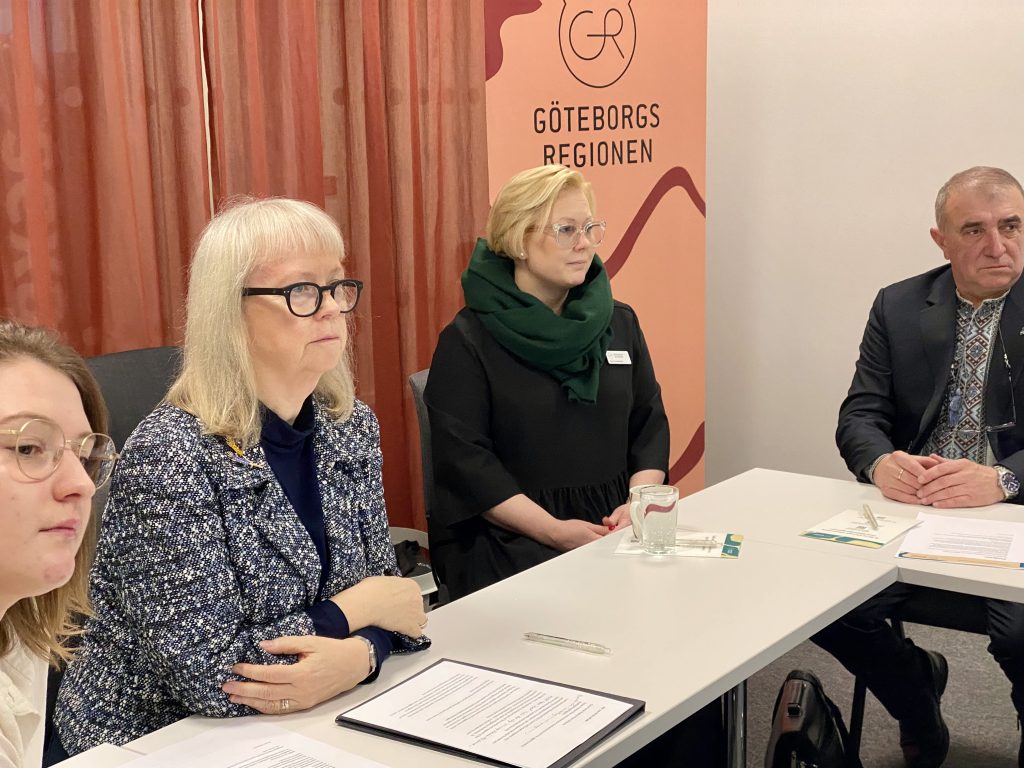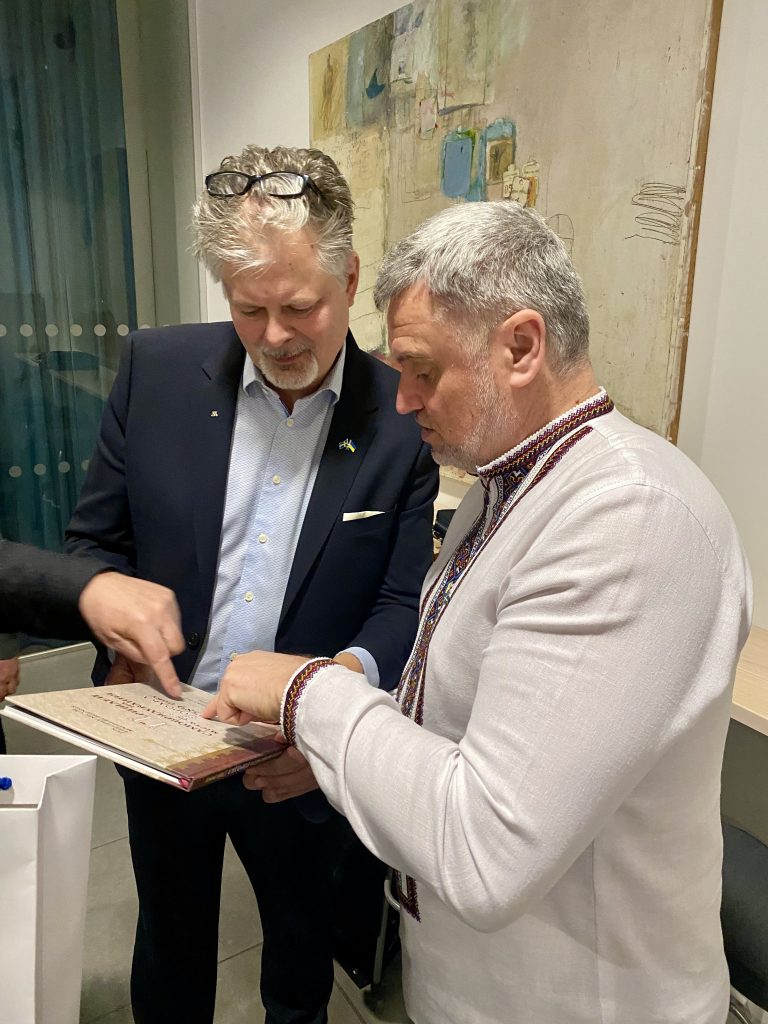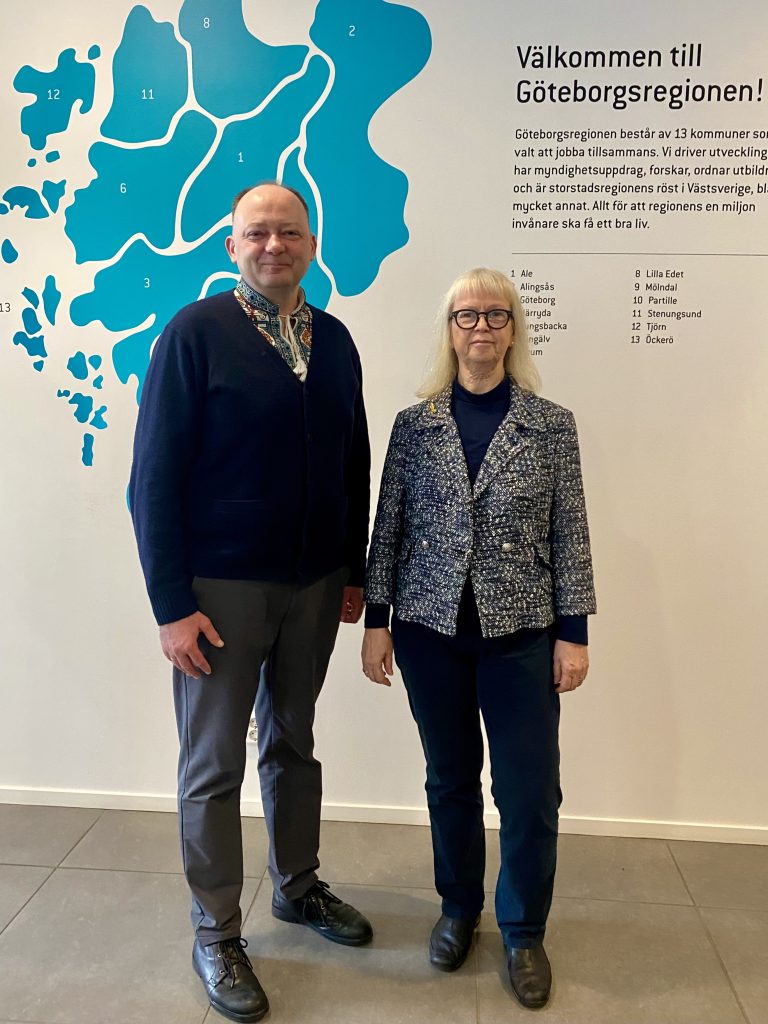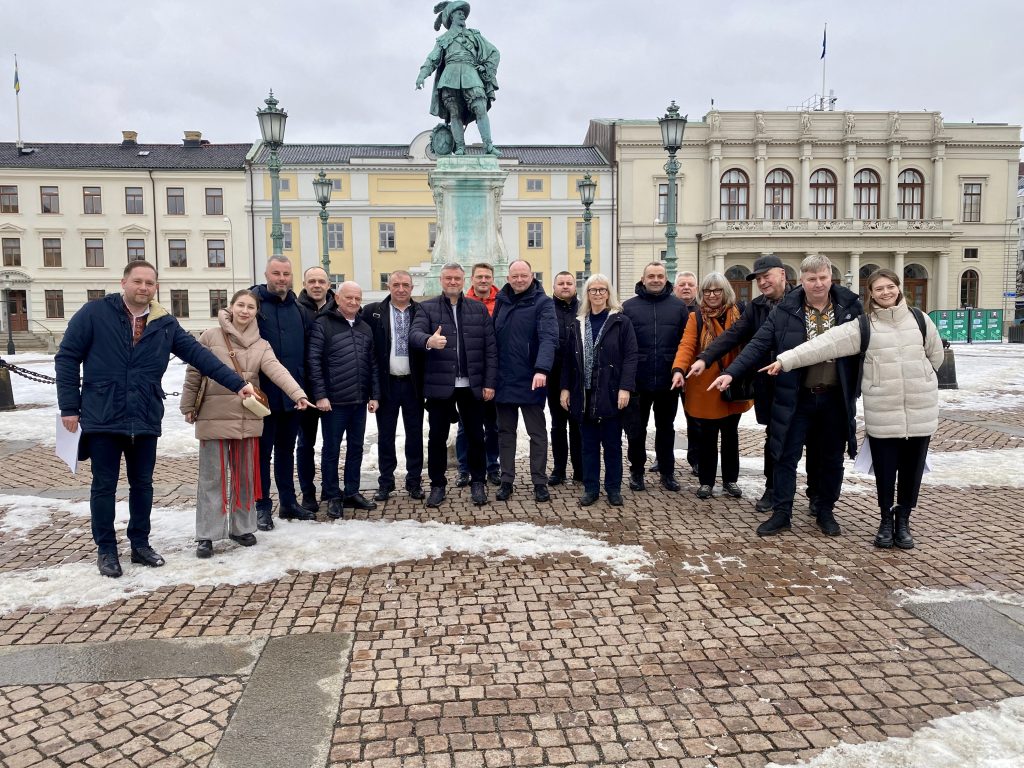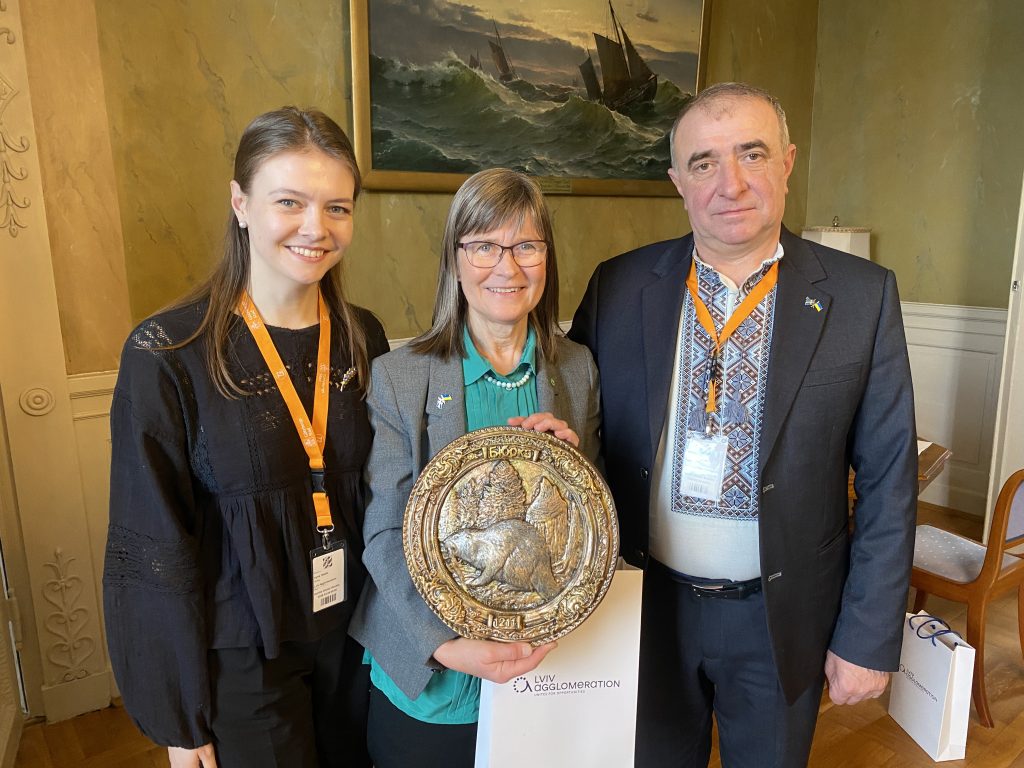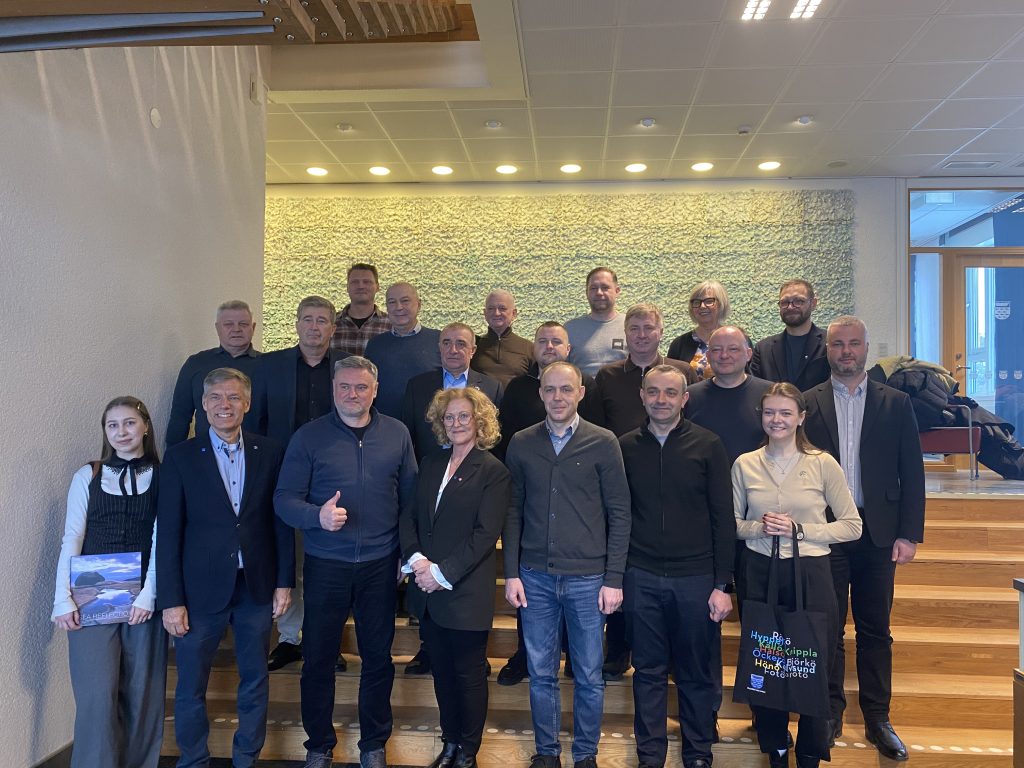
From February 24 to 27, a delegation representing the Lviv Agglomeration, composed of mayors and deputy mayors from 11 member municipalities, conducted an official working visit to the Gothenburg Region (GR), Sweden.
This strategic visit was dedicated to exploring models of metropolitan governance, inter-municipal cooperation, economic development, transport, water and waste management, and regional resilience. The Gothenburg Region integrates 13 municipalities and stands as the second-largest metropolitan area in Sweden. Similarly, the Lviv Agglomeration comprises 13 communities and constitutes the second-largest metropolitan entity in Ukraine. This parallel is not merely formal but conceptual in nature.
Governance Model and Institutional Strength
A primary point of interest is the Swedish governance model. In Sweden, there is no specific metropolitan legislation exclusively for Gothenburg. Similar to our own framework, they operate as a voluntary inter-municipal association. It is not a “superstructure” or an additional tier of government, but rather an association established by the municipalities themselves.
Despite its voluntary nature, it is a formidable institution. The executive apparatus of the Gothenburg Region employs approximately 200 specialists. All decisions are reached exclusively through consensus, ensuring that no municipality is compelled to accept a decision against its will. Trust serves as the fundamental cornerstone of the system. Financial resources are primarily derived from membership fees and grants, a model highly consistent with our own financial structure.
Scope of Cooperation
The scale of integrated cooperation is significant. The Metropolitan Region serves as a platform for numerous inter-municipal projects, including:
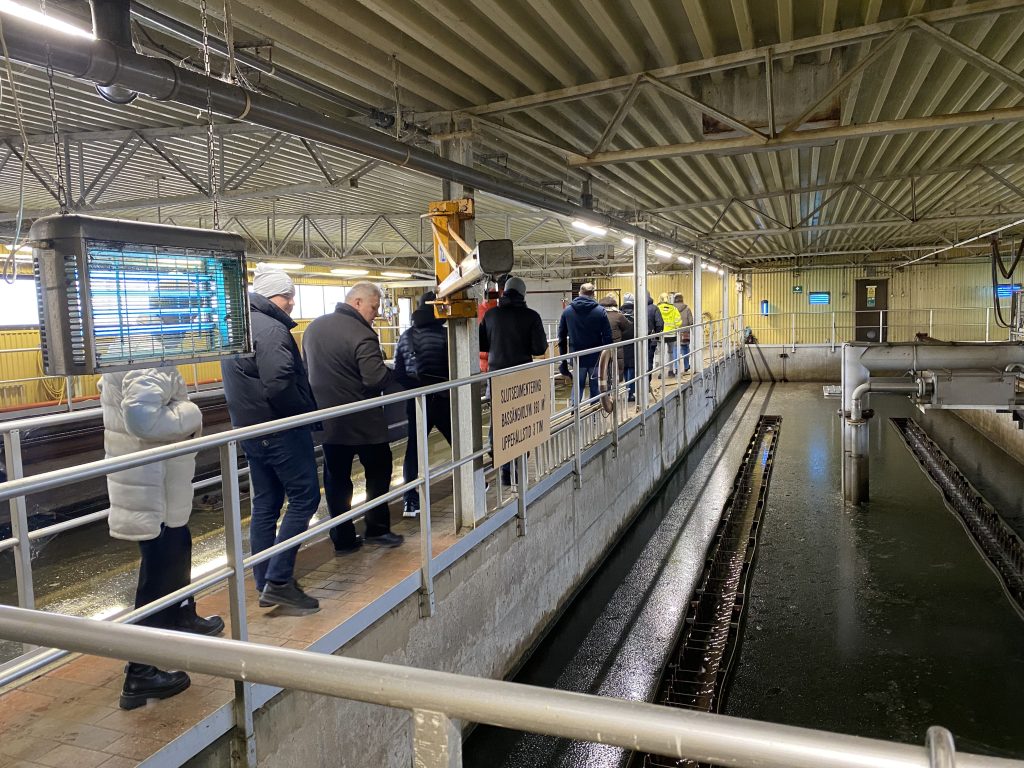
- Joint Ventures: Collaborative efforts in water supply and sanitation.
- Waste Management: The regional waste management company, Renova.
- Economic Development: The dedicated regional organization, Business Region Göteborg.
- Regional Transport: Coordination facilitated through Västtrafik.
- Administrative Integration: A notable example is SOLTAK, where several municipalities have consolidated their Finance, HR, IT, and Project Management functions into a single shared service platform.
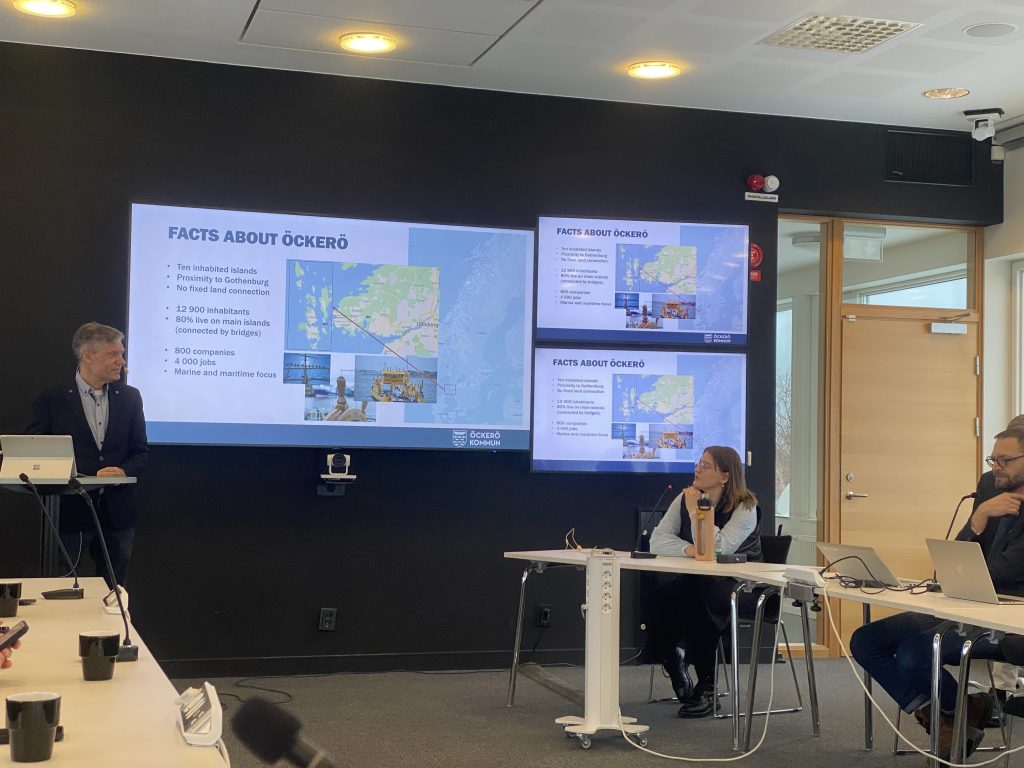
The metropolitan association functions as an ecosystem that facilitates these partnerships and assists in structuring collective solutions. We observed that even the smallest municipalities, such as Öckerö, are fully integrated into regional solutions and have access to shared infrastructure. Meanwhile, rapidly developing communities like Kungälv leverage regional cooperation to manage urban growth and joint infrastructure projects.
Strategic Partnership and Memorandum of Understanding
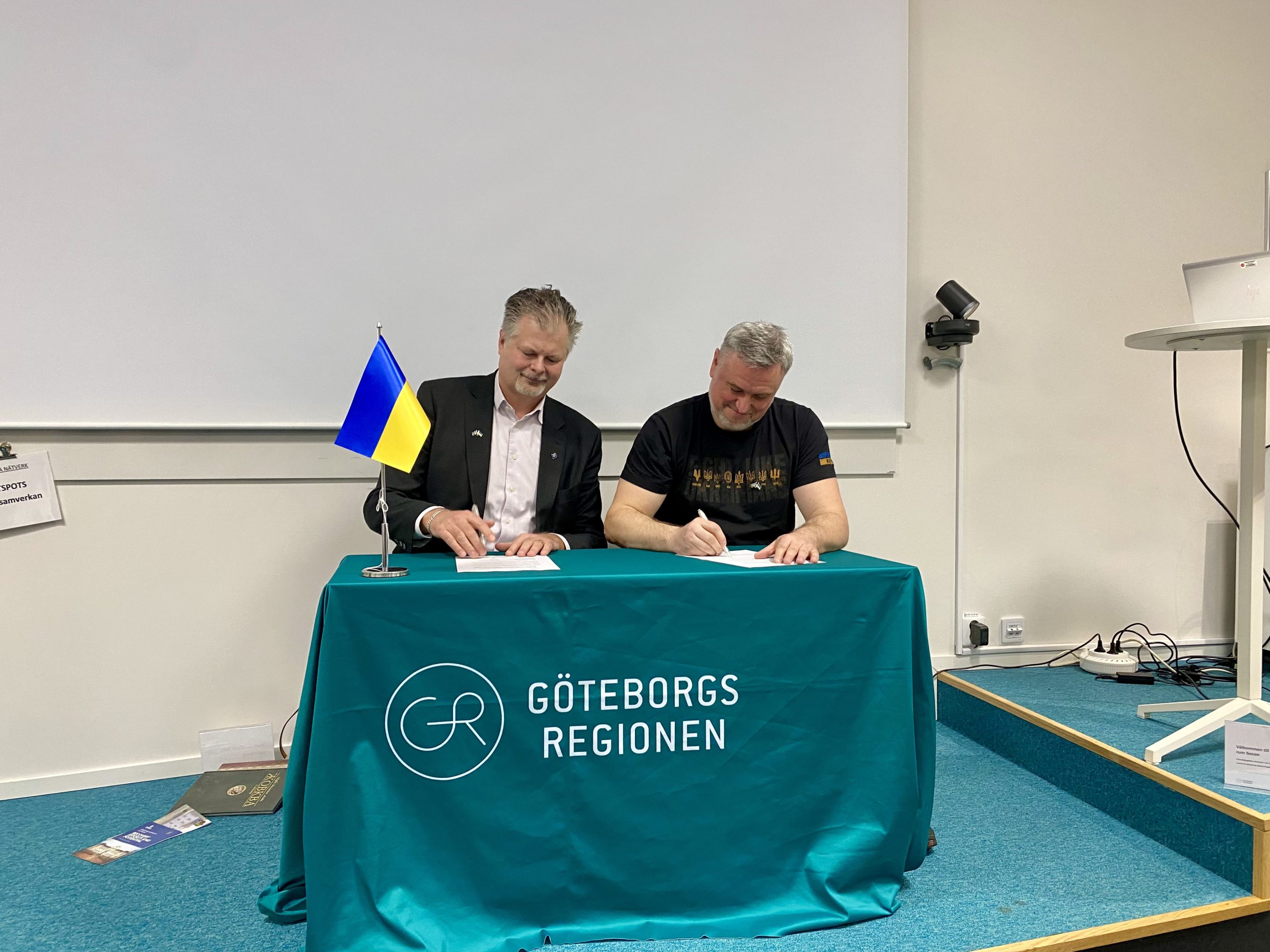
This system has been operational for over 30 years, continuously adapting to emerging challenges, including security and civil defense. On Friday, during the concluding session, a Memorandum of Partnership and Cooperation was signed by Volodymyr Remeniak, Co-Chair of the Association and Head of the Horodok Community, and Axel Josefson, Chair of the Gothenburg Region Executive Board.
The Memorandum establishes a long-term partnership aimed at knowledge exchange and the implementation of joint initiatives. Key areas of cooperation include:
- Improvement of public services and quality of life.
- Metropolitan governance development;
- Enhancing resilience to technological, natural, and societal challenges;
- Spatial planning and mobility;
- Water management and climate adaptation;
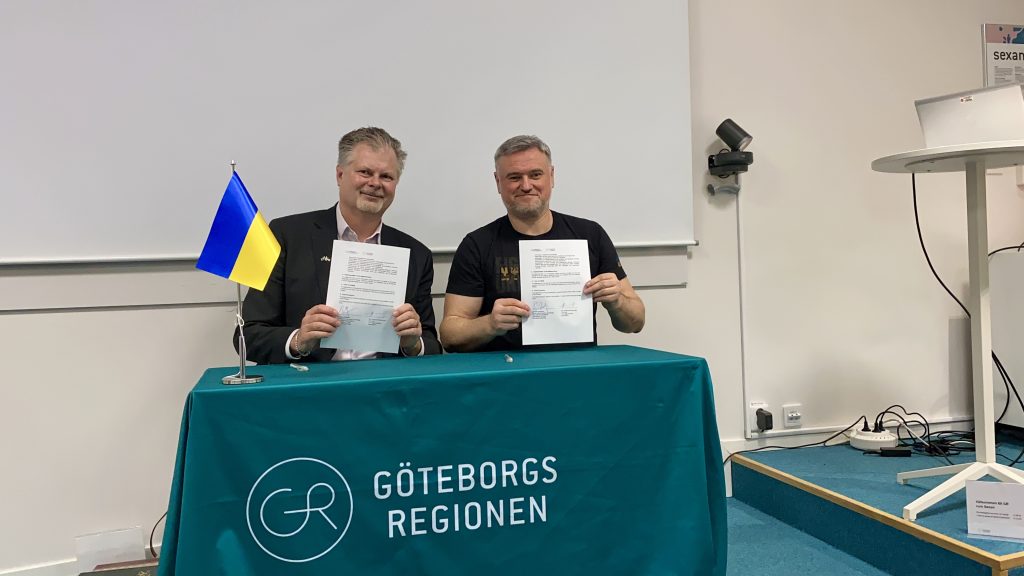
The document also provides a framework for establishing direct contacts between the individual municipalities of both metropolitan regions. This 5-year framework agreement paves the way for specific joint projects, programs, and secondary agreements.
Solidarity and Future Outlook
We wish to highlight the atmosphere of profound support encountered throughout the visit. We experienced sincere solidarity regarding Ukraine’s ongoing defense against aggression. Resilience, civil protection, and the role of municipalities within the security framework were discussed as a collective responsibility of European communities.
Our partnership transcends the signed document; it is defined by practical projects and the exchange of expertise. Our objective is for each of the 13 communities within the Lviv Agglomeration to establish one or more direct partnerships with the 13 municipalities of the Gothenburg Region.
We return with a clear conviction: the voluntary model can be powerful, consensus-based decision-making can be efficient, and inter-municipal trust is the bedrock of a modern European metropolis.
Acknowledgments We express our sincere gratitude to the partners who made this visit possible: the Gothenburg Region, the Centre of Expertise for Multilevel Governance at the Congress of Local and Regional Authorities of the Council of Europe, and the Cities4Cities initiative, which implements the “International Municipal Cooperation” track of the Swedish-Ukrainian Polaris Programme (“Supporting Multilevel Governance in Ukraine”). Their support enabled not only the visit itself but also profound professional engagement that has laid the foundation for a long-term partnership between our metropolitan regions.